
The Future of Interior Design: 2026 Interior Design Trends Shaped by AI
Something fundamental is shifting in the way we shape interior spaces. The relationship between human creativity and technology keeps evolving, with designers no longer using AI as just an experimental tool, but rather their silent collaborator that helps them conceptualize, visualize, and build interior spaces. As we move into 2026, artificial intelligence is becoming the best tool to amplify the designer’s vision beyond previous limitations.
The numbers tell part of the story. Designer adoption of AI tools tripled in 2025 to 29%, up from just 9% in 2023, with another 20% planning integration in the near term. But statistics alone cannot capture what's happening in studios around the world: a fundamental reimagining of how we conceive, visualize, and construct the spaces we inhabit.
In our design studio, we've witnessed this transformation firsthand. AI has become the invisible partner that accelerates ideation, unlocks new storytelling possibilities, and helps us transcend the constraints of traditional workflows. The global AI in interior design market is projected to reach approximately $6.96 billion by 2032, growing at a rate of about 18.4% annually, a trajectory that reflects not just financial investment but a philosophical evolution in how we approach spatial design.
What emerges in 2026 is an interior design practice defined by unprecedented intelligence: spaces that learn, adapt, and respond, considering human psychology as carefully as structural integrity, and materials that can be chosen through predictive analytics that weigh beauty against sustainability and environmental impact. With this, we can predict that the future interior design is more adaptive, more personalized, more expressive, and paradoxically, more tailored to human experience and preferences than ever before.
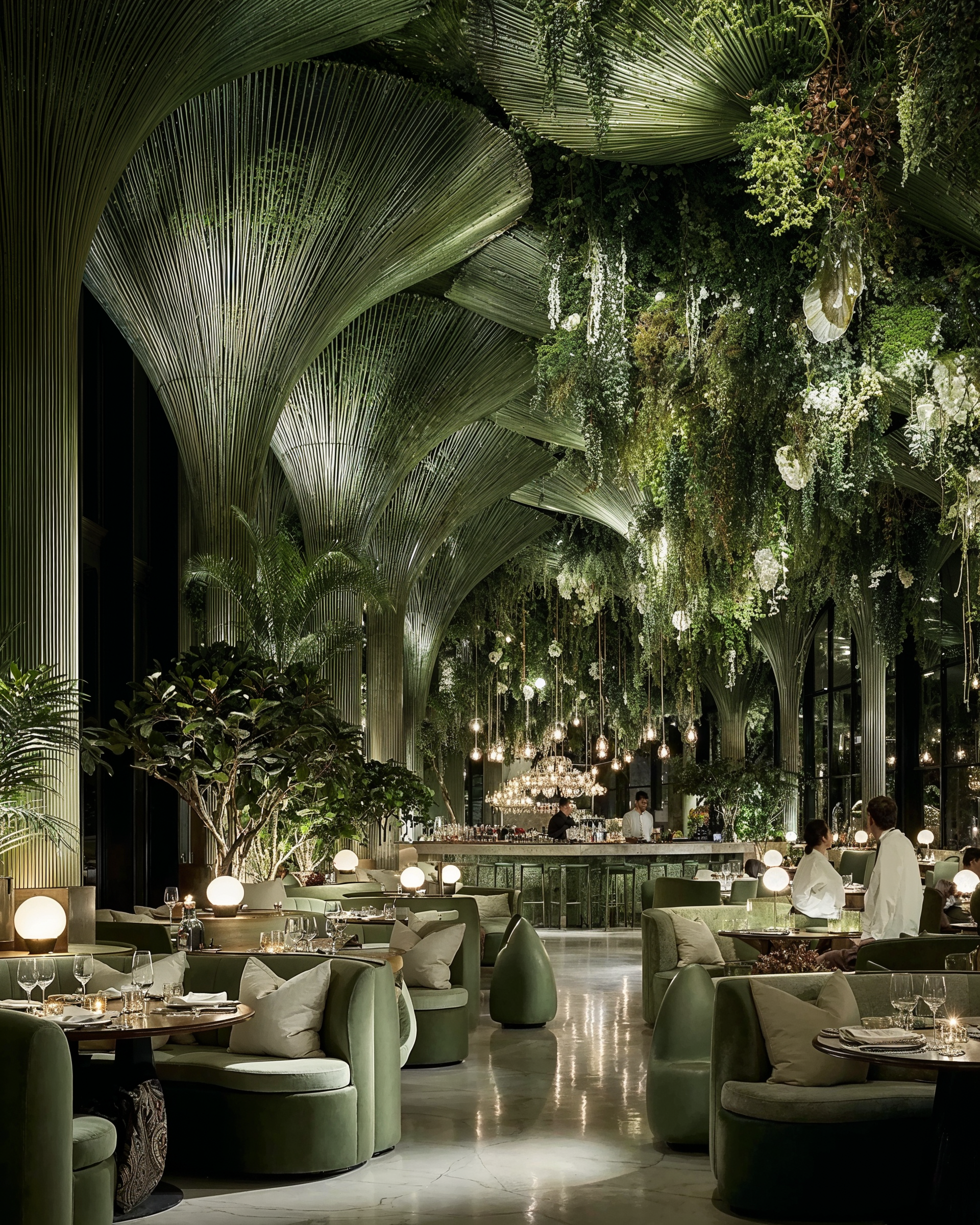
AI-Assisted Spatial Planning: From Iteration to Intelligence
The traditional spatial planning process is iterative, time-intensive, and often constrained by the designer's capacity to visualize multiple scenarios. Now, with new and more powerful design tools and AI entering the design space, it is being transformed, as these intelligent systems think in dimensions we cannot see.
In 2026, AI spatial planning will evolve beyond simple layout generation. These systems will:
Auto-generate multiple layout options informed by circulation psychology
Simulate movement patterns based on behavioral data
Optimize acoustic quality, natural light penetration, and furniture flow simultaneously
Adapt spaces for temporal flexibility, enabling environments to serve different functions at different hours
Data-driven geometries applied to furniture will be able to analyze body postures and pressure points to predict movement patterns and engineer optimal profiles, creating spaces that intuitively support human behavior rather than merely accommodating it.
The designer will remain the author, the curator of meaning, and the soul behind the space. AI will help accelerate the exploration, revealing possibilities that might have remained invisible under traditional constraints of time and cognitive capacity. With this, interiors will become inherently smarter, with spaces that understand circulation before occupants do, that balance function and feeling with mathematical precision, and that adapt to human behavior rather than forcing behavior to adapt to rigid design.
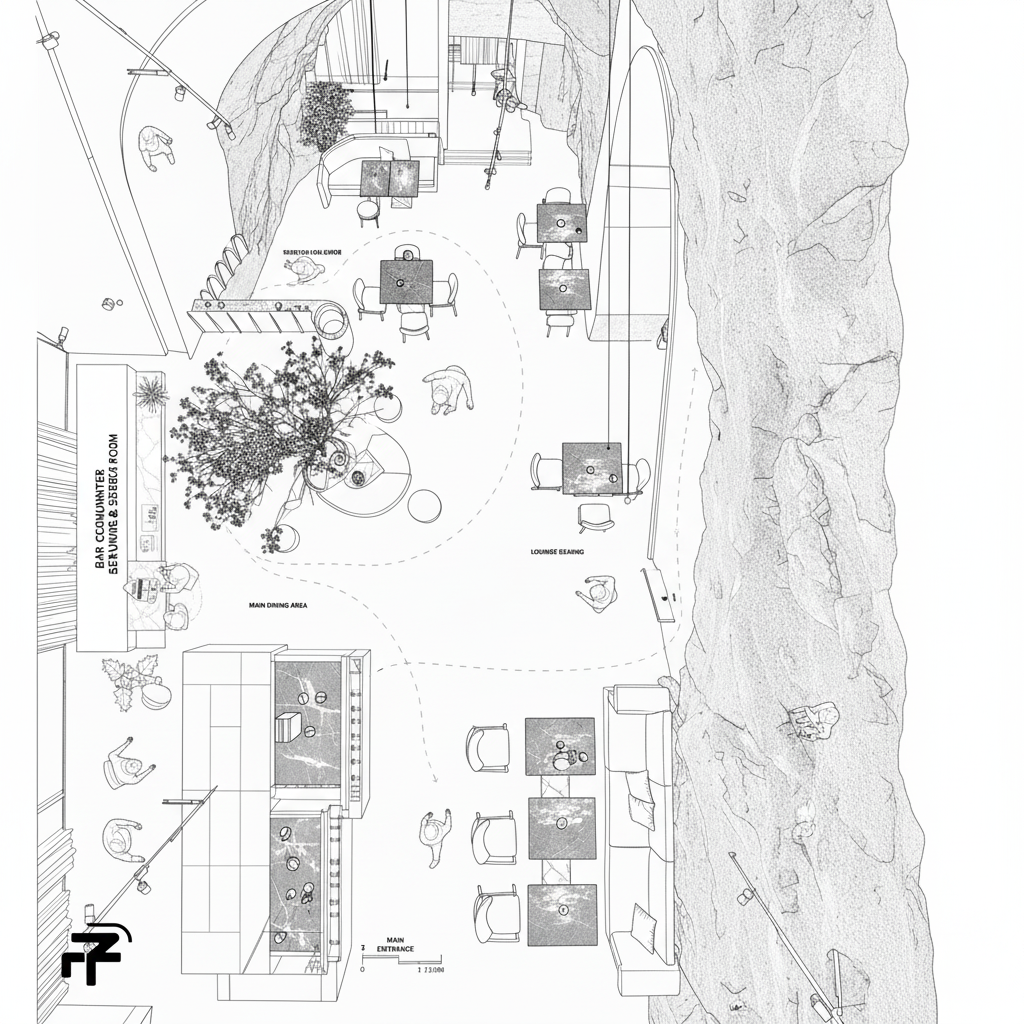
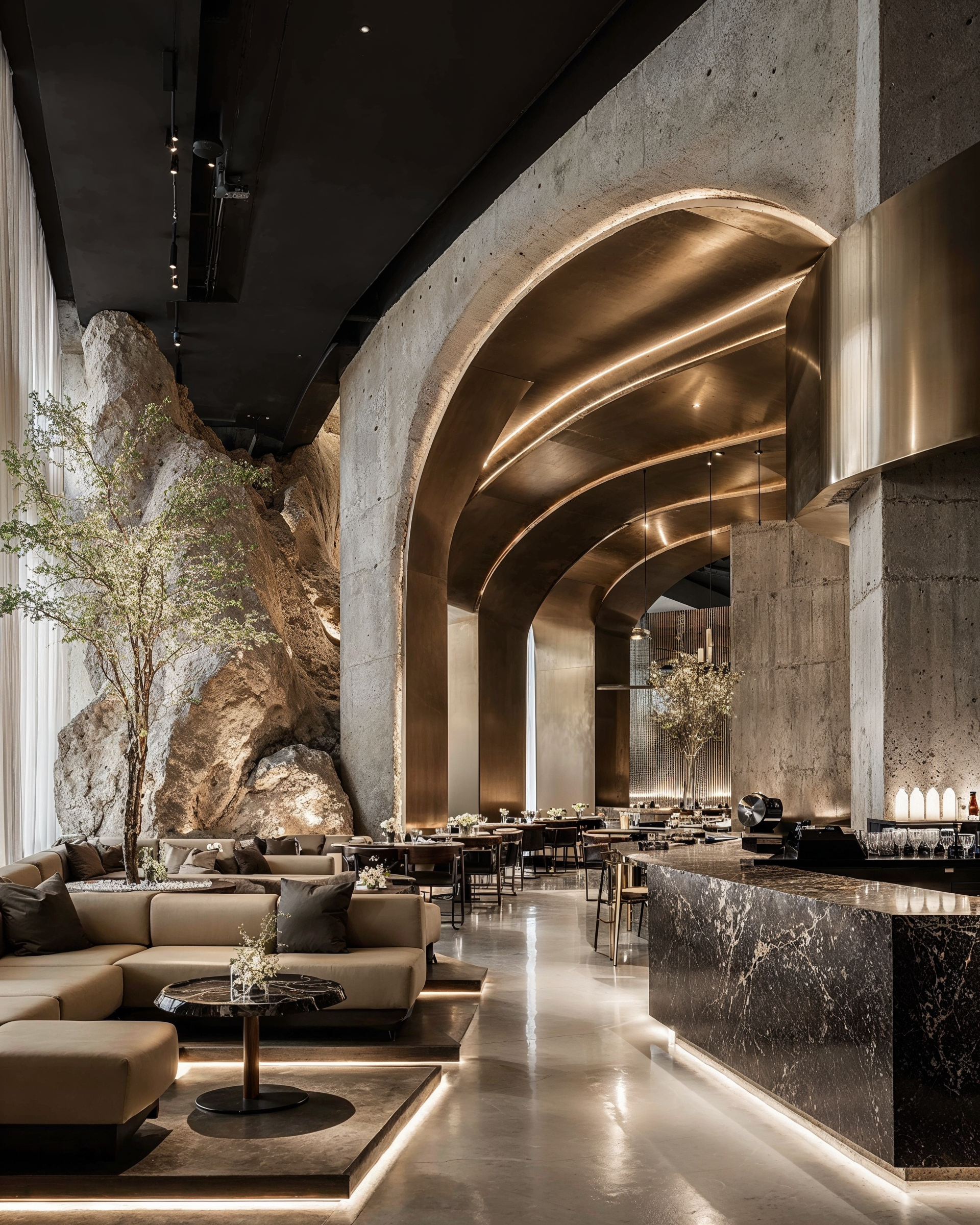
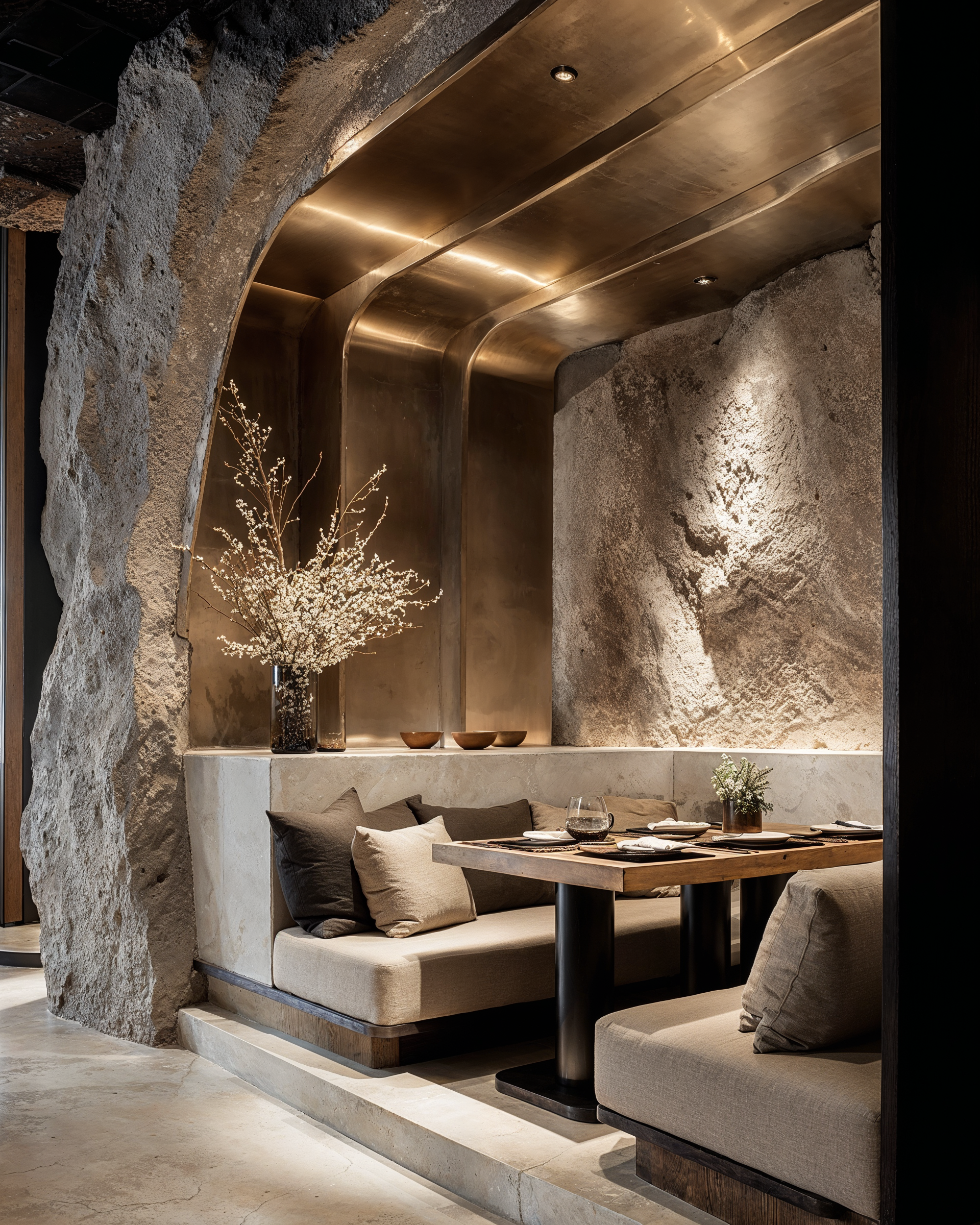
Hyper-Personalized Interiors Designed With Predictive AI
This new era of spatial design responds not just to aesthetic preference but to psychological need, circadian rhythm, and behavioral pattern. This is personalization at a depth previously unimaginable, and 2026 will mark the mainstreaming of AI-driven customization with systems that interpret lifestyle data—from sleep patterns to social habits—to generate interior schemes personalized at an emotional level:
Analysis of daily routines and behavioral preferences
Generation of color palettes aligned with psychological states
Dynamic designs that evolve with the occupant over time
Environmental adjustments that respond to mood, health, and circadian biology
This personalization is, at its core, data-informed spatial storytelling. The interior space will become a responsive environment, one that understands its inhabitant and shifts subtly to support wellbeing, productivity, and emotional equilibrium.
As designers, we become expert translators between data and human desire, articulating between algorithmic insight and human aspiration. This will result in spaces that feel attuned to their occupants, adapting to their changing needs.
Material Intelligence Driven by AI & Circular Design Philosophy
The selection of materials is being revolutionized by AI platforms that predict lifecycle performance with unprecedented accuracy. AI can evaluate the environmental impact of various materials and suggest sustainable alternatives, optimizing energy use by recommending smart lighting and climate control systems.
In 2026, designers access predictive intelligence that evaluates:
Long-term durability and maintenance cycles
Complete environmental impact from extraction through disposal
Cost efficiency across the material's entire lifecycle
Carbon footprint with transparent, verifiable data
Compatibility with circular economy principles
Materials are now designed for reuse, transparency, and traceability, transforming the very concept of what sustainable design means and enabling:
Regenerative architecture that gives back more than it takes
Furniture designed for disassembly and component reuse
Low-emission interiors verified through comprehensive analytics
Advanced composites inspired by biomimicry
According to the Ellen MacArthur Foundation, 80 percent of environmental impact can be designed out at the concept stage, positioning designers as the most powerful agents of change in the sustainability conversation. The future of interior design is more than just sustainable; it's circular, intelligent, and radically transparent. We will keep moving beyond "eco-friendly" as a buzzword toward materials that tell their complete story, from origin to eventual transformation.
Cinematic Visualization as Standard Practice
The days of impressing clients with static renderings are over, and 2026 will establish real-time AI animation and immersive visualization as the baseline expectation for every project, no longer being just reserved for premium offerings.
The contemporary design project presentation workflow combines:
MidJourney for rapid conceptual direction and aesthetic exploration
Krea for refinement and iterative detail development
Kling AI for cinematic walkthroughs that feel like inhabiting finished space
Neural rendering for material realism that approaches photographic accuracy
Design presentations will evolve from just showing you your future space to a walk-through experience as though the space already exists. This shift changes not just how clients understand design but how quickly they can commit to it, making the decision process quicker as the gap between imagination and reality collapses.
Virtual design platforms using AI algorithms allow users to visualize designs in real time, making changes as needed during the design process, creating a collaborative feedback loop that was impossible in traditional practice.
Intelligent Interiors: Spaces That React & Respond
The most profound shift in 2026 will be the evolution of interiors from static environments to responsive spaces that sense, learn, and adapt.
AI-enabled systems will help to transform interiors into living interfaces that include:
Adaptive lighting that responds to circadian rhythm, mood, and activity
Furniture embedded with sensors that track usage patterns and adjustable ergonomics
Smart partitions that morph between open collaboration and private focus
Acoustic systems that automatically optimize for work, rest, or conversation
Environmental controls that learn from occupant behavior and anticipate needs
This type of neuroarchitecture integrates neuroscience, environmental psychology, and architecture to optimize spatial arrangements, lighting, colors, and acoustics for better health and well-being. With this, architecture becomes infrastructure, and interior design becomes experience design, creating environments that actively support human needs.
Bio-Digital Aesthetics: The Visual Language of 2026
A distinct aesthetic vocabulary that will gain more relevance in 2026, and that is arising from AI-assisted design exploration, is biophilic design. This design style rejects the rigid minimalism of the 2010s in favor of spaces that feel alive, sensory, and emotionally intelligent.
The bio-digital aesthetic is characterized by:
Fluid, organic forms inspired by natural systems
Soft curvatures and irregular contours that embrace the human scale
Hybrid textures that blur boundaries between natural and synthetic
Algorithmic patterns that feel simultaneously ordered and spontaneous
Flowing wooden silhouettes with graceful, continuous curves that echo organic shapes and embrace the human form more naturally
Biophilic designs incorporating nature-based features into built environments have been shown to promote health and well-being through both psychological and physiological effects, with patients in nature-connected environments often experiencing reduced stress, improved mood, and shorter recovery times.
This aesthetic emerges from a deeper understanding of how humans respond neurologically to their environments and represents a move toward spaces that communicate safety, comfort, and connection—spaces that our biology recognizes as hospitable.
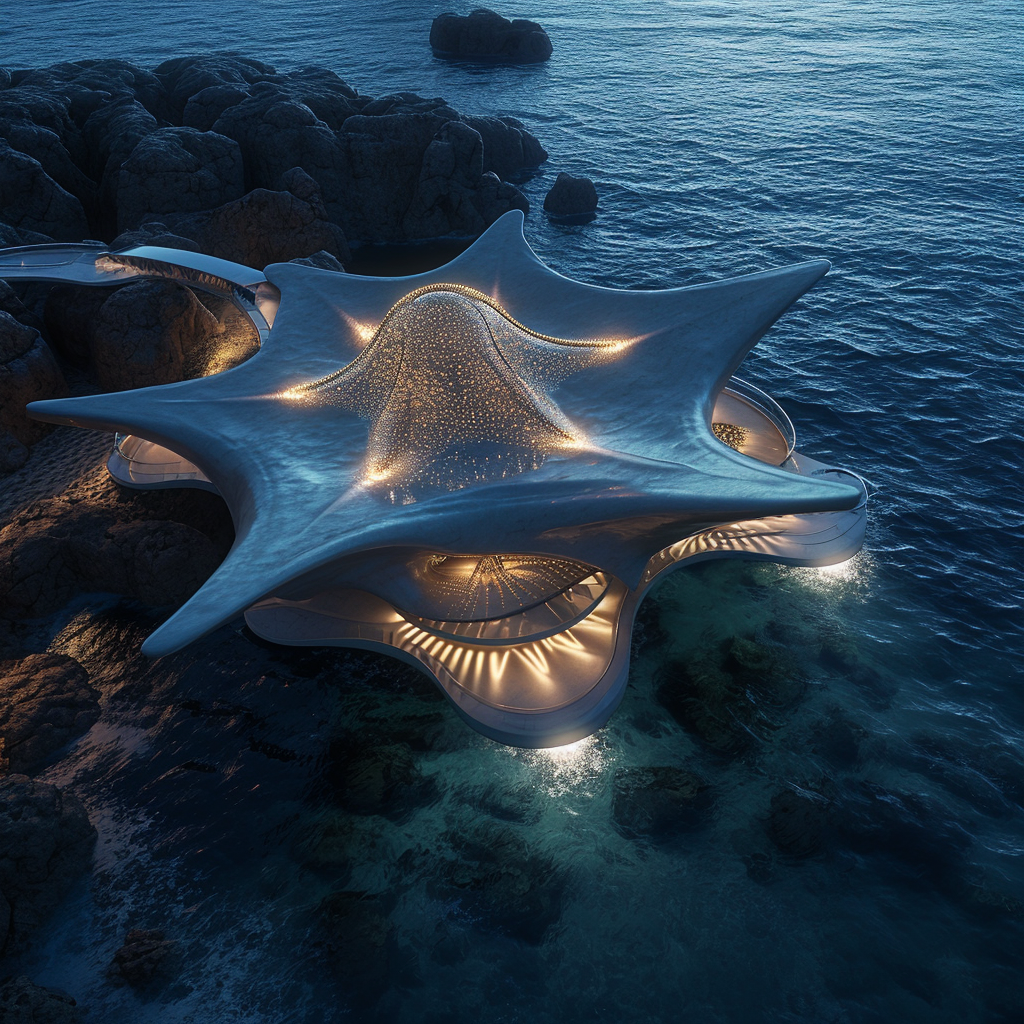


AI Will Reshape How Interior Designers Work
The most important trend of 2026 will be philosophical rather than technological: the redefinition of what it means to be an interior designer.
As AI assumes responsibility for iteration, simulation, optimization, and rendering, designers take ownership of what machines cannot replicate: meaning, narrative, emotion, taste, and intuition. We are shifting from creators of objects to architects of experiences.
The division of labor becomes clear:
AI excels at:
Computational tasks and pattern recognition
Data analysis and predictive modeling
Rapid iteration and variation generation
Technical optimization and performance simulation
Designers excel at:
Cultural context and symbolic meaning
Emotional resonance and psychological insight
Aesthetic judgment and qualitative evaluation
Human connection and collaborative creation
While AI can automate certain aspects of interior design and provide insights, it cannot replace the creativity, emotional connection, and expertise that human designers provide. The future workflow is hybrid and far more profoundly human than it might appear from the outside.
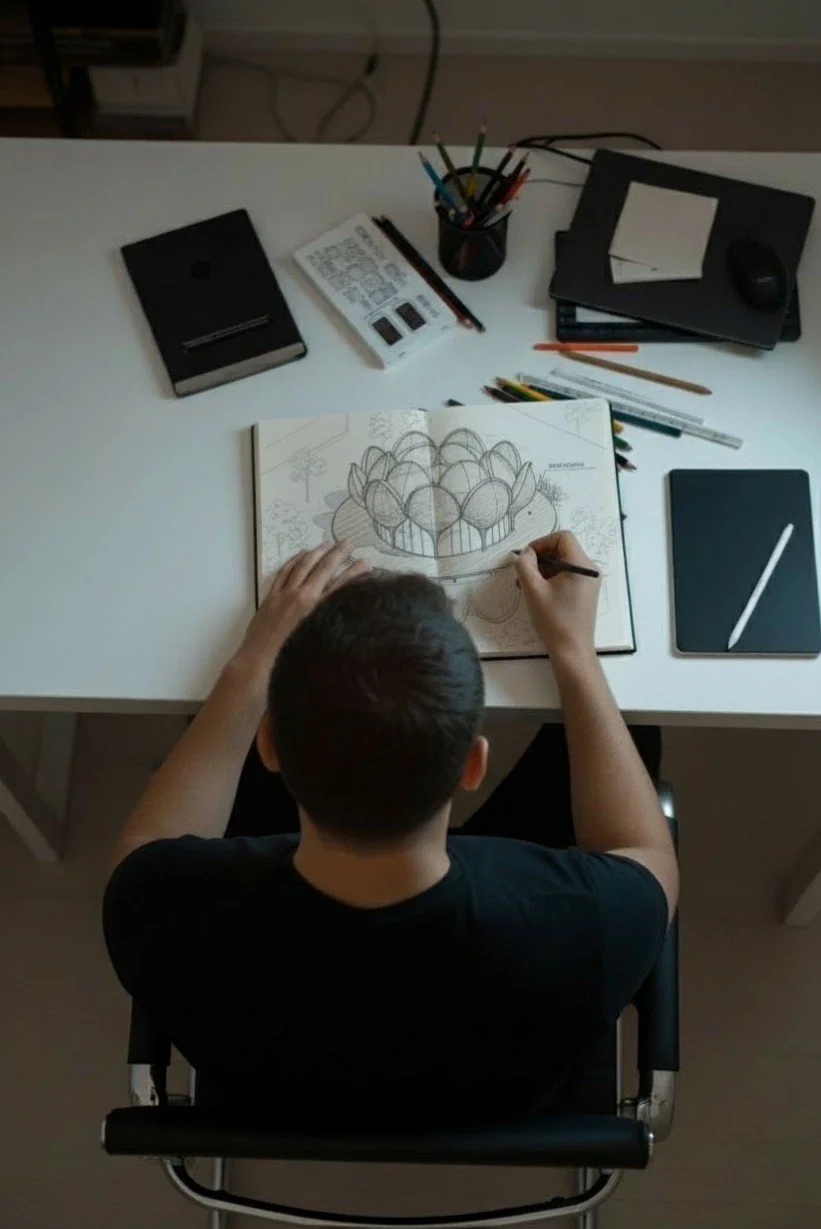
The future of interior design in 2026 rests on a fundamental truth: AI does not replace creativity; it expands the designer's imaginative capacity.
We are entering a time where spaces become more adaptive, more deeply personalized, more expressively designed, and more emotionally intelligent. Design studios that embrace this transformation and see AI not as a threat but as a collaborator will shape the next generation of interiors, architecture, and spatial experience.
In our interior design studio, technology accelerates our process while enabling us to focus more deeply on what matters: creating spaces where humans can truly flourish.
We stand at the threshold of a new chapter in spatial design, one where intelligence serves imagination, where data informs intuition, and where the future of interior design is being written by those willing to work at the intersection of human creativity and artificial intelligence.
The transformation is underway, and we're excited to be part of it and to continue exploring how AI and design collaborate to build the future of the spaces we inhabit.
Explore More from the Studio
Design Portfolio: See our ongoing AI-driven experiments, design studies, and projects.
Resources & Tools: Explore our curated AI design workflows, guides, and downloadable tools.
Collaboration & Commissions: Looking to bring a futuristic design concept to life? Let’s talk.
