
The Future of Hospitality Design in 2026: Experience-Driven Spaces Beyond Aesthetics
For decades, hotels competed on visual spectacle with grand chandeliers, signature furniture, and dramatic atriums designed for photographs. Nowadays, while aesthetics still matter, they are no longer enough. In 2026, the most relevant hospitality design trends are not centered around decoration, but around experience.
Guests are not simply booking rooms. They are booking atmospheres, transitions, emotions, and moments of belonging.
The future of hospitality design lies in crafting immersive, human-centered environments where spatial sequencing, technology, and emotional intelligence operate together as one system.

From Visual Impact to Emotional Architecture
The most significant shift in hospitality design trends is the move from visual branding to emotional architecture.
Guests increasingly value:
Atmosphere over ornament
Flow over formality
Authenticity over spectacle
Flexibility over rigidity
Research from organizations such as the EHL Hospitality Business School highlights how guest expectations are evolving toward personalization, wellbeing, and seamless digital integration. The physical space must now respond to behavioral patterns, cultural shifts, and emotional needs.
This means that a space is no longer just an entrance or used for just circulation, because each room becomes part of a continuous experiential narrative.
The Lobby as Emotional Threshold
If there is one space that defines experience-driven hospitality design, it is the lobby.
In 2026, lobby design is evolving into something far more layered:
A social hub
A co-working extension
A wellness buffer
A brand manifesto
A moment of psychological arrival
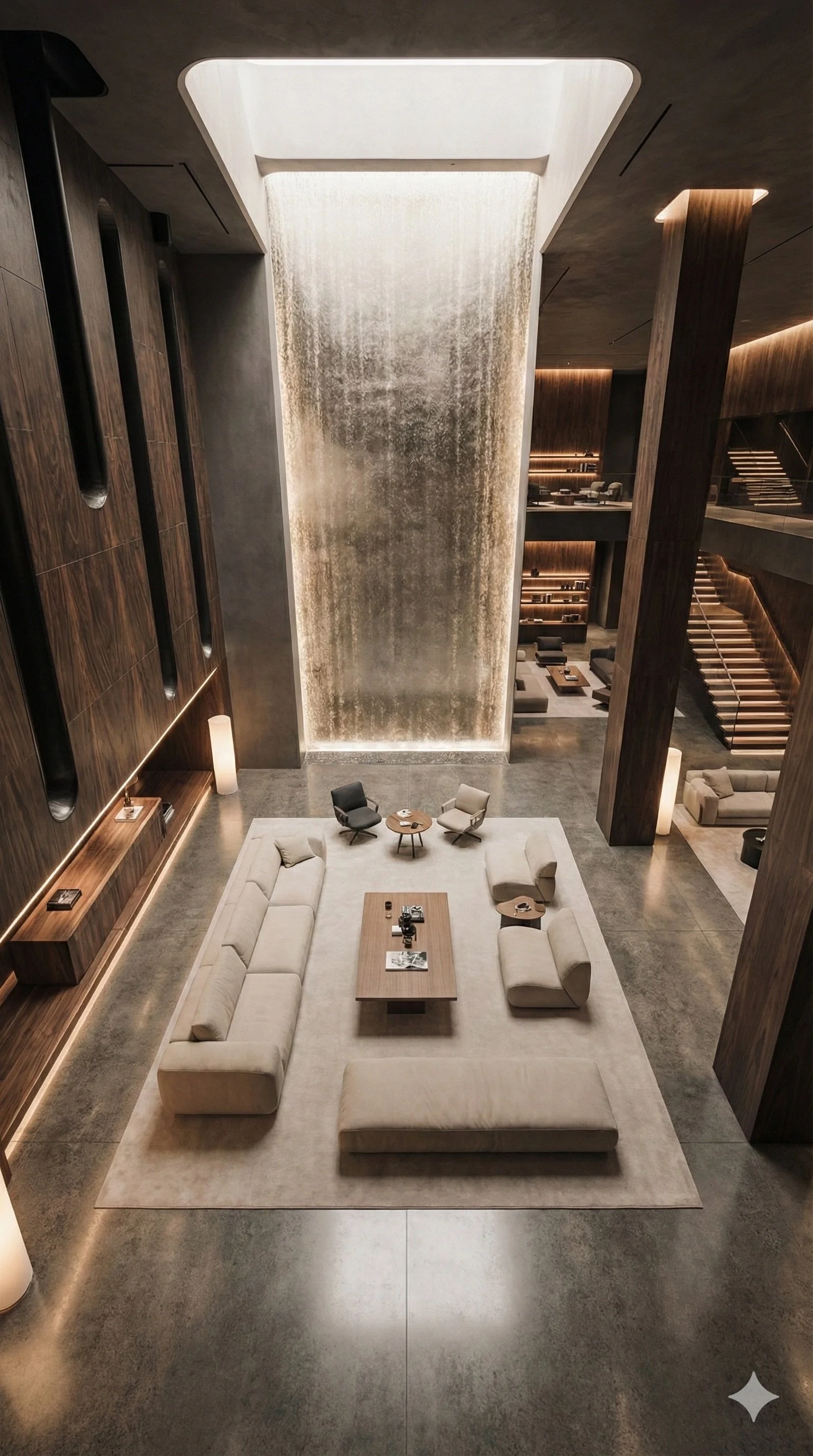
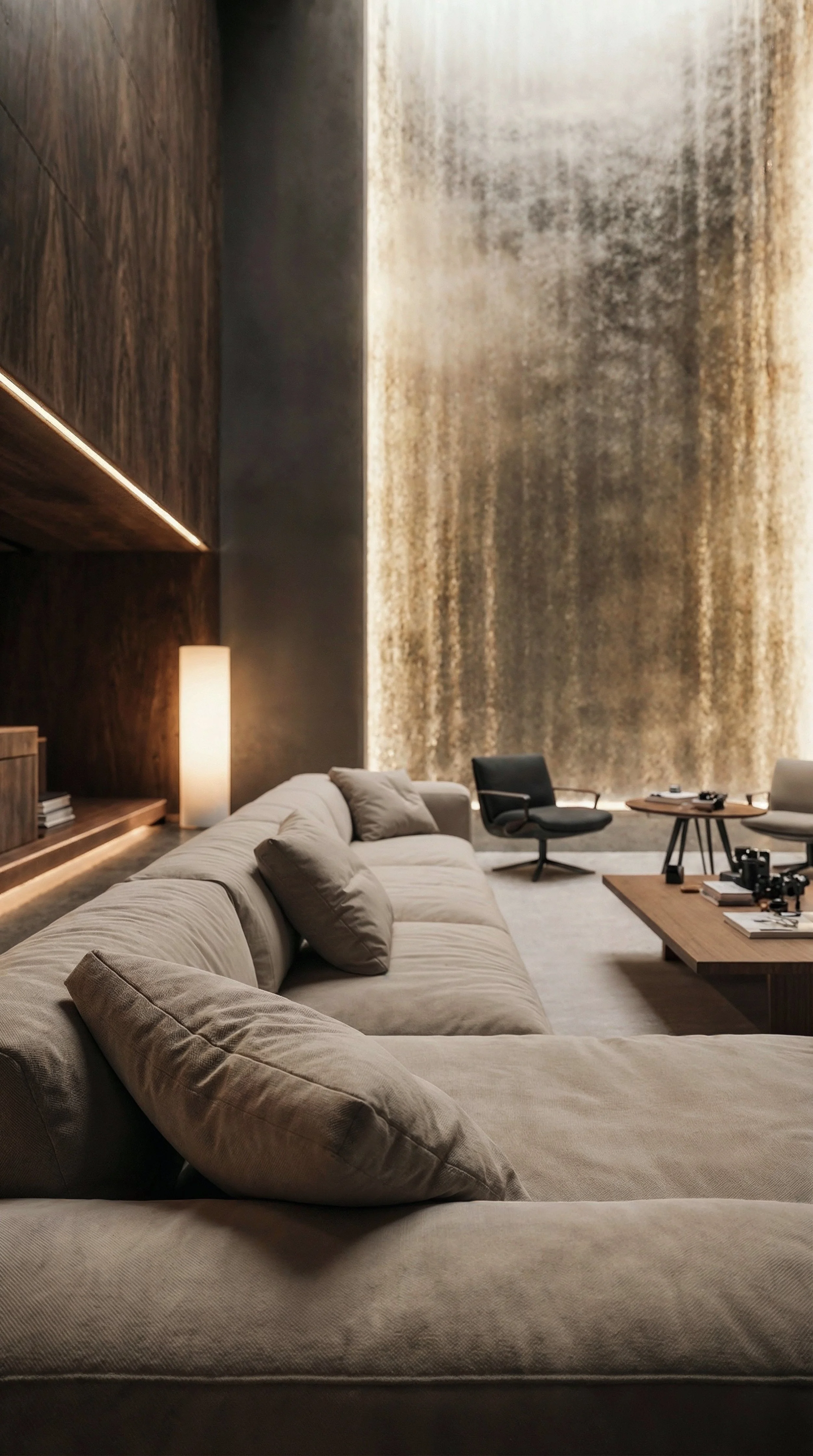
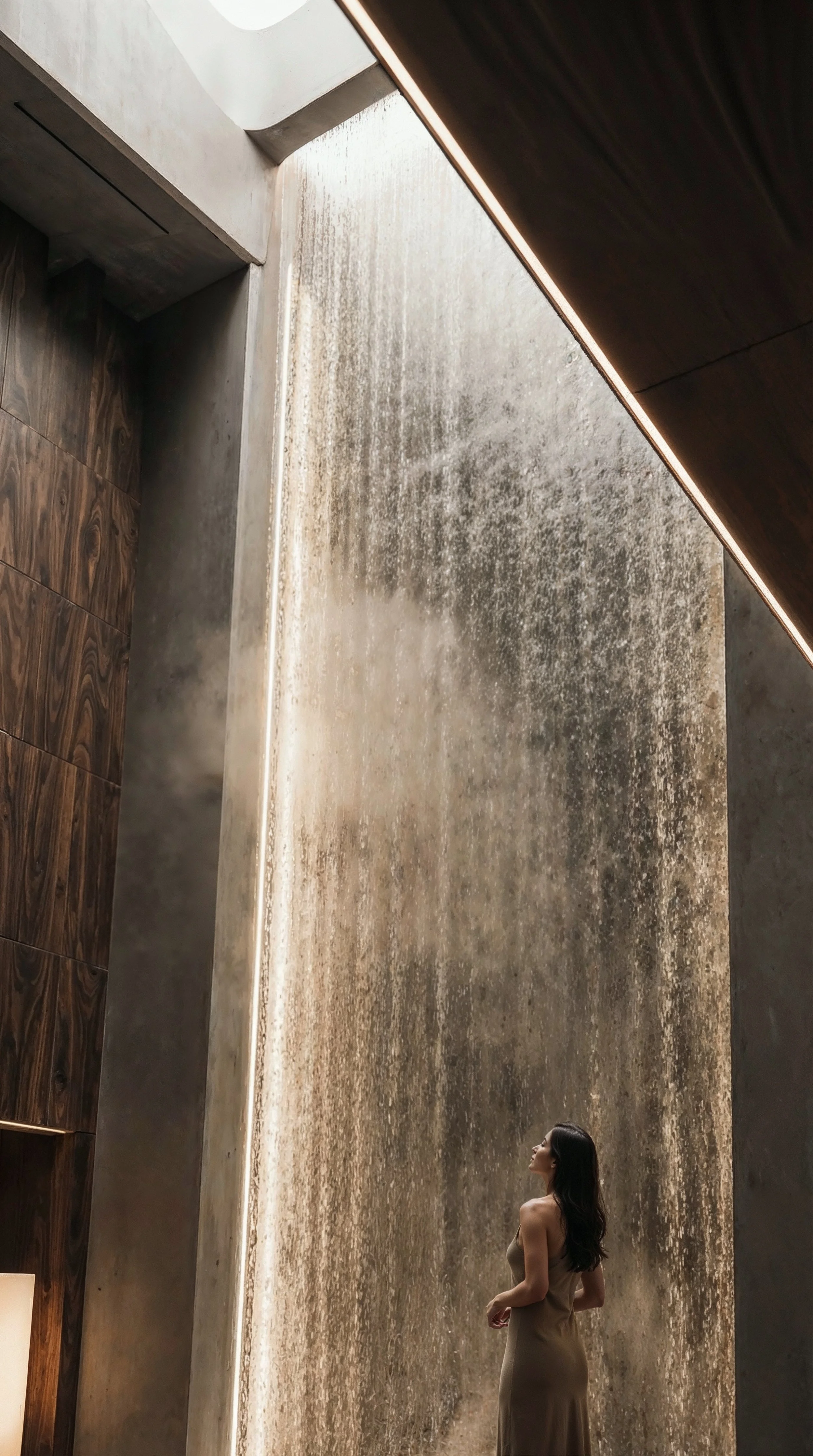
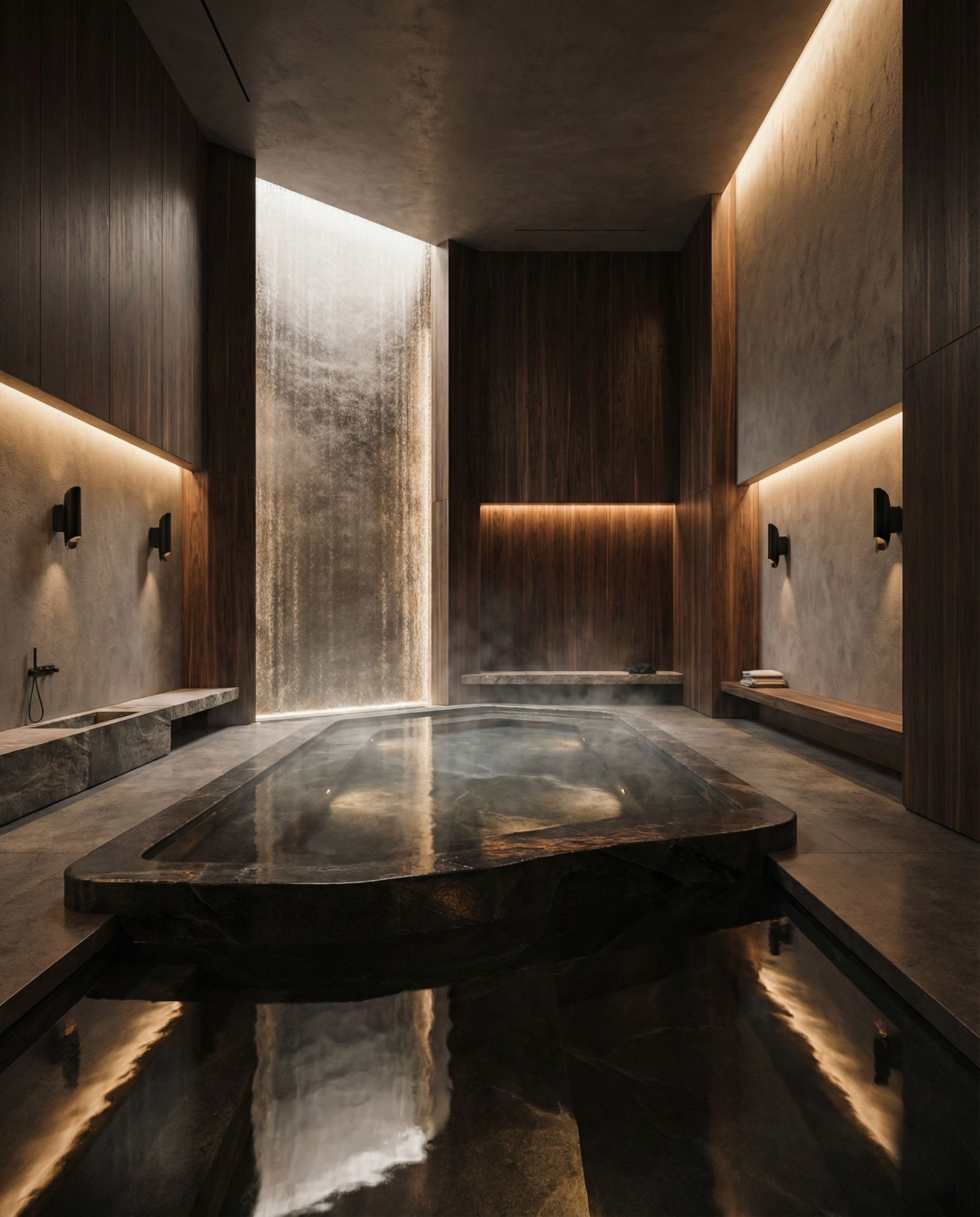
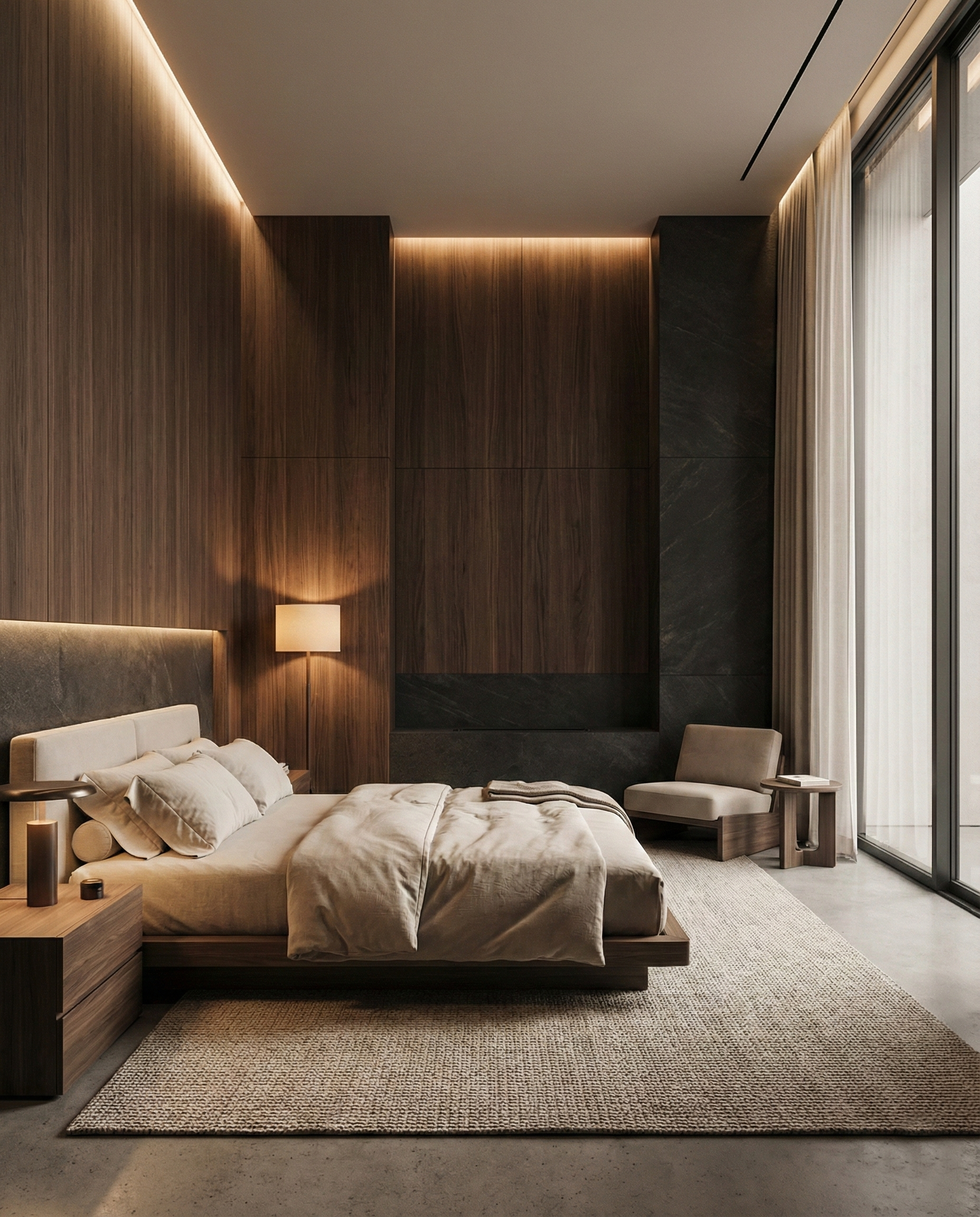
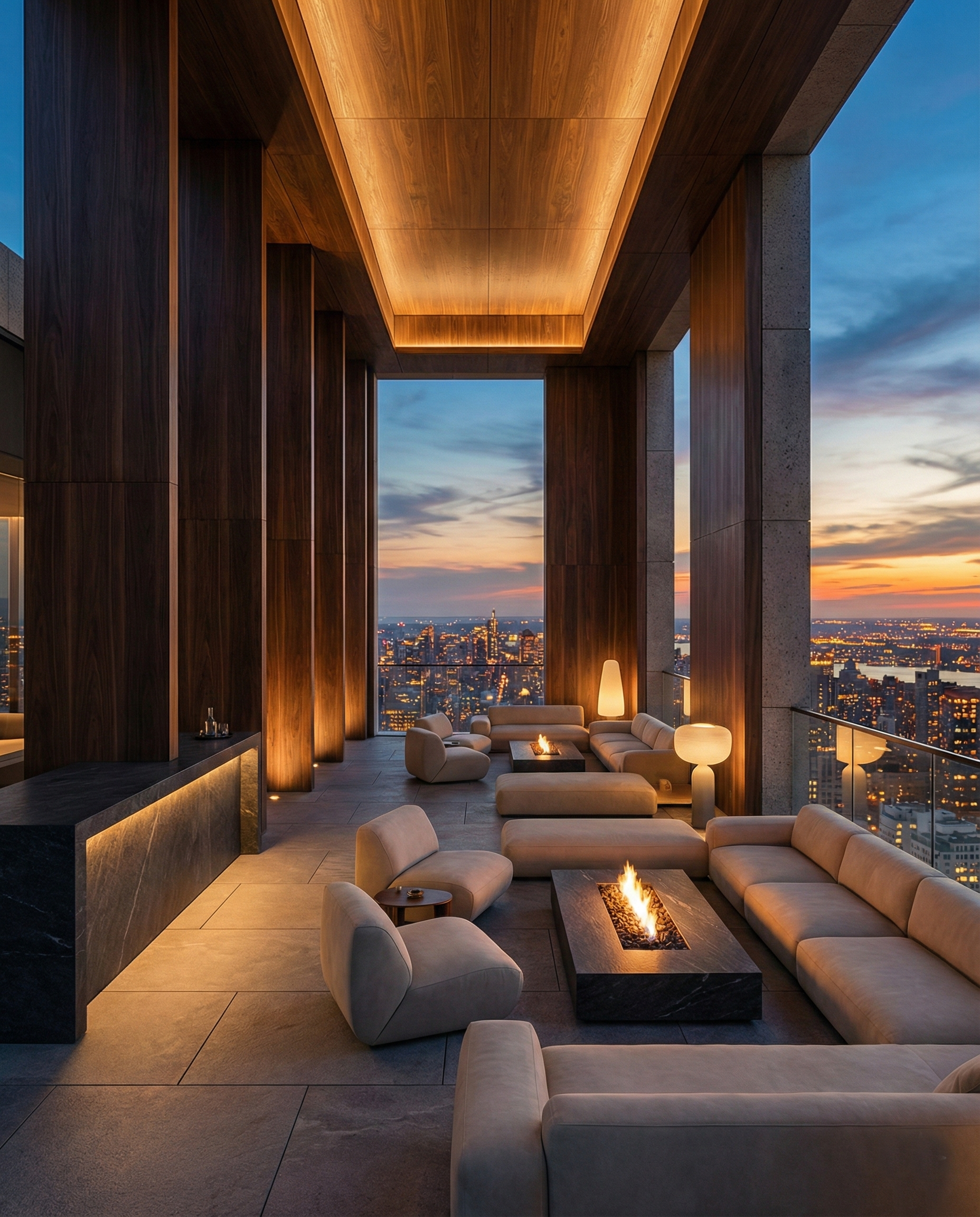
Rather than overwhelming guests with spectacle, contemporary lobby design focuses on sequencing. Materials shift subtly from exterior textures to interior warmth and movement slows down naturally through spatial cues rather than signage.
We explored this philosophy deeply in our recent NVIDIA collaboration project, where the lobby was conceived not as a decorative statement but as a transitional emotional threshold. The emphasis was placed on proportion, shadow, and atmospheric layering with elements that are felt before they are consciously seen.
You can explore similar spatial strategies across our work in our design portfolio.
Mixed-Use Hospitality: The Blurring of Boundaries
Another defining shift in the future of hospitality design is the dissolution of rigid program boundaries.
Hotels are no longer singular-purpose buildings. Increasingly, they operate as:
Community spaces
Cultural venues
Hybrid residential environments
Remote work ecosystems
Lifestyle destinations
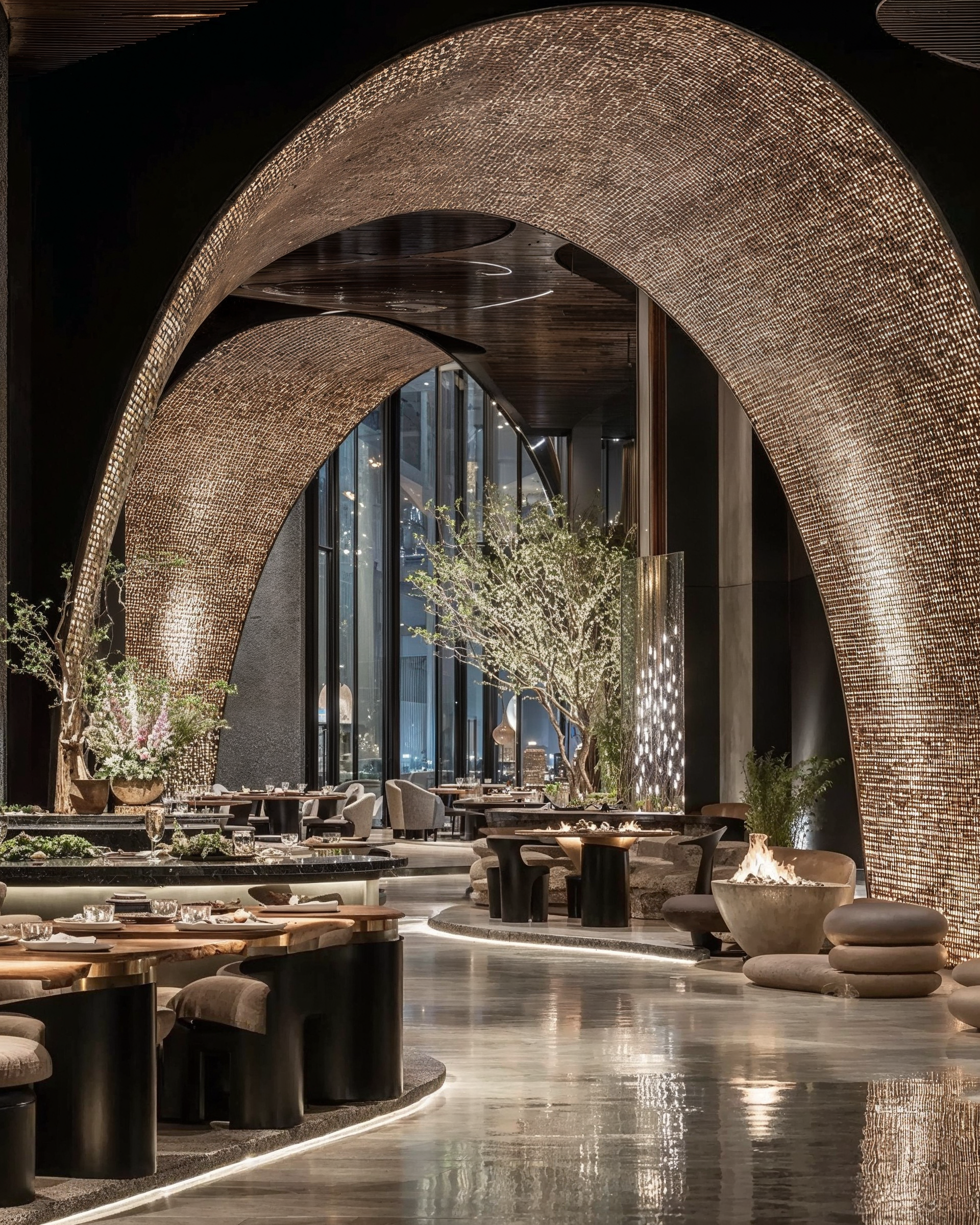
According to industry insights from McKinsey’s travel and hospitality research, hybrid hospitality models are accelerating, particularly as remote work and digital nomadism reshape travel patterns. From a design perspective, this requires flexibility embedded into the spatial logic from day one.
Instead of designing fixed-use rooms, architects and designers are building adaptive infrastructures. Furniture systems become modular, lighting systems respond dynamically to usage patterns, and acoustic strategies anticipate multiple social densities.
Immersive hotel spaces in 2026 are not static compositions, they are responsive environments.
Immersive Hotel Spaces: Designing Memory, Not Decoration
The phrase “immersive hotel spaces” often brings to mind technology-heavy installations or digital projections. While immersive technologies are certainly part of the conversation, true immersion goes deeper.
Immersion in hospitality design is created through:
Spatial rhythm
Controlled perspective shifts
Material tactility
Soundscaping
Circadian lighting strategies
Emotional pacing
A guest remembers how a space made them feel far longer than they remember a specific furniture piece. Designing for immersion means orchestrating micro-decisions like light intensity, visual cues, thought-out layouts, etc.
Technology Integration: Invisible but Foundational
Technology in hospitality is becoming infrastructural and invisible. AI-powered booking systems, smart climate control, adaptive lighting, and predictive guest personalization are now expected. However, the most successful hospitality environments in 2026 integrate technology without aesthetic disruption.
This is where AI in hospitality design becomes particularly interesting.
AI tools now support:
Scenario testing for space usage
Real-time lighting simulation
Behavioral flow modeling
Material lifecycle analysis
Adaptive spatial configurations
Rather than replacing design judgment, AI supports earlier and more informed decision-making. It allows us to test multiple emotional atmospheres before committing to construction, helping simulate how a lobby or spa space feels at sunrise versus late evening without waiting weeks for rendering cycles.
The future of hospitality design is not about choosing between human creativity and technology. It is about building a workflow where both operate fluidly.
We explored similar themes in our article on sustainable design across disciplines, where early-stage intelligence shapes long-term impact.
The Human Core of Future Hospitality Design
Despite technological integration and evolving spatial strategies, the essence of hospitality remains human. What defines the most successful hospitality projects in 2026 is not complexity, but clarity:
Clear spatial logic
Clear emotional narrative
Clear intention
When guests enter a space and feel grounded without knowing why, the design has succeeded.
The future of hospitality design will not be defined by ornament or novelty, it will be defined by how intelligently spaces anticipate human behavior and how gracefully they accommodate change.


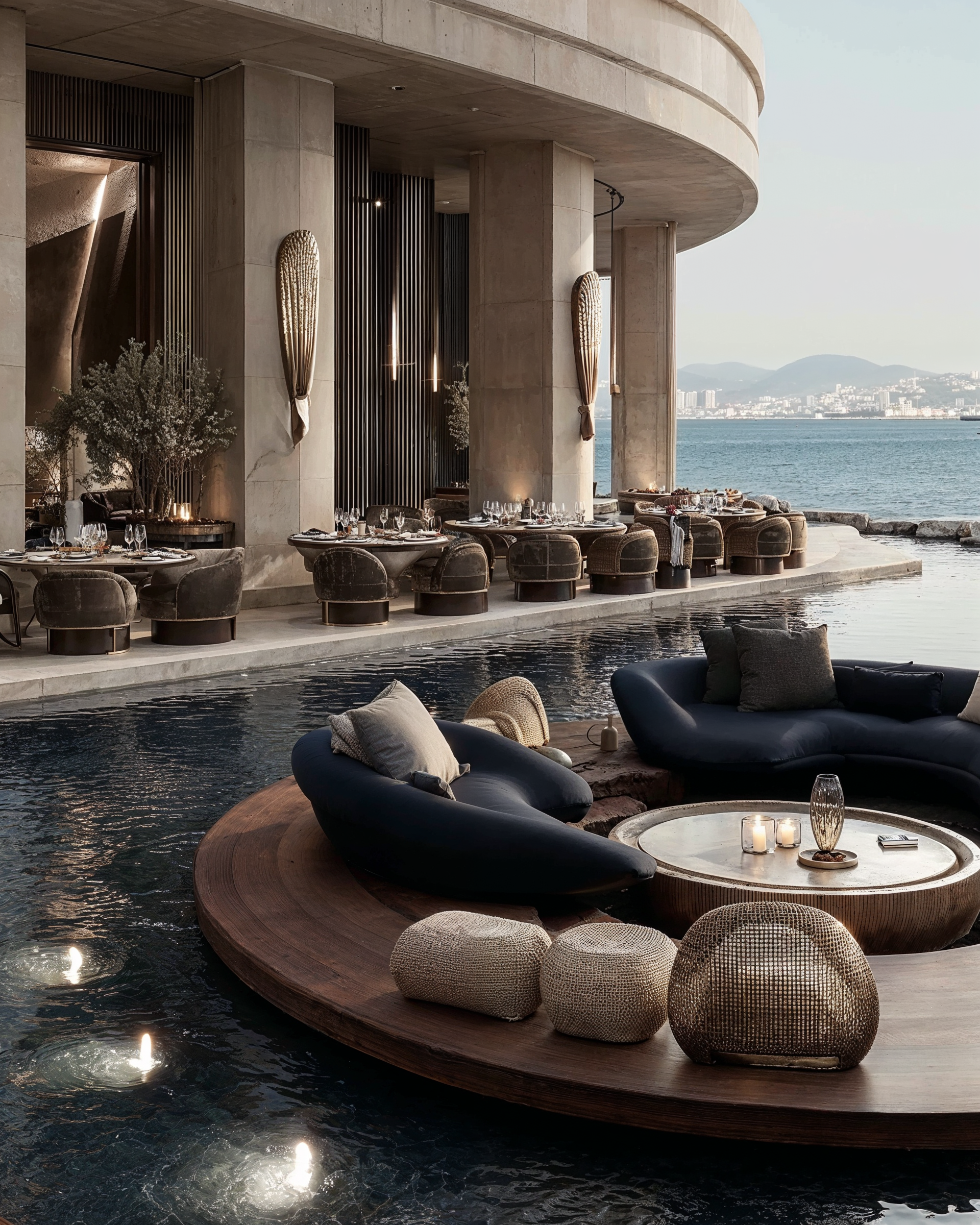


Looking Ahead
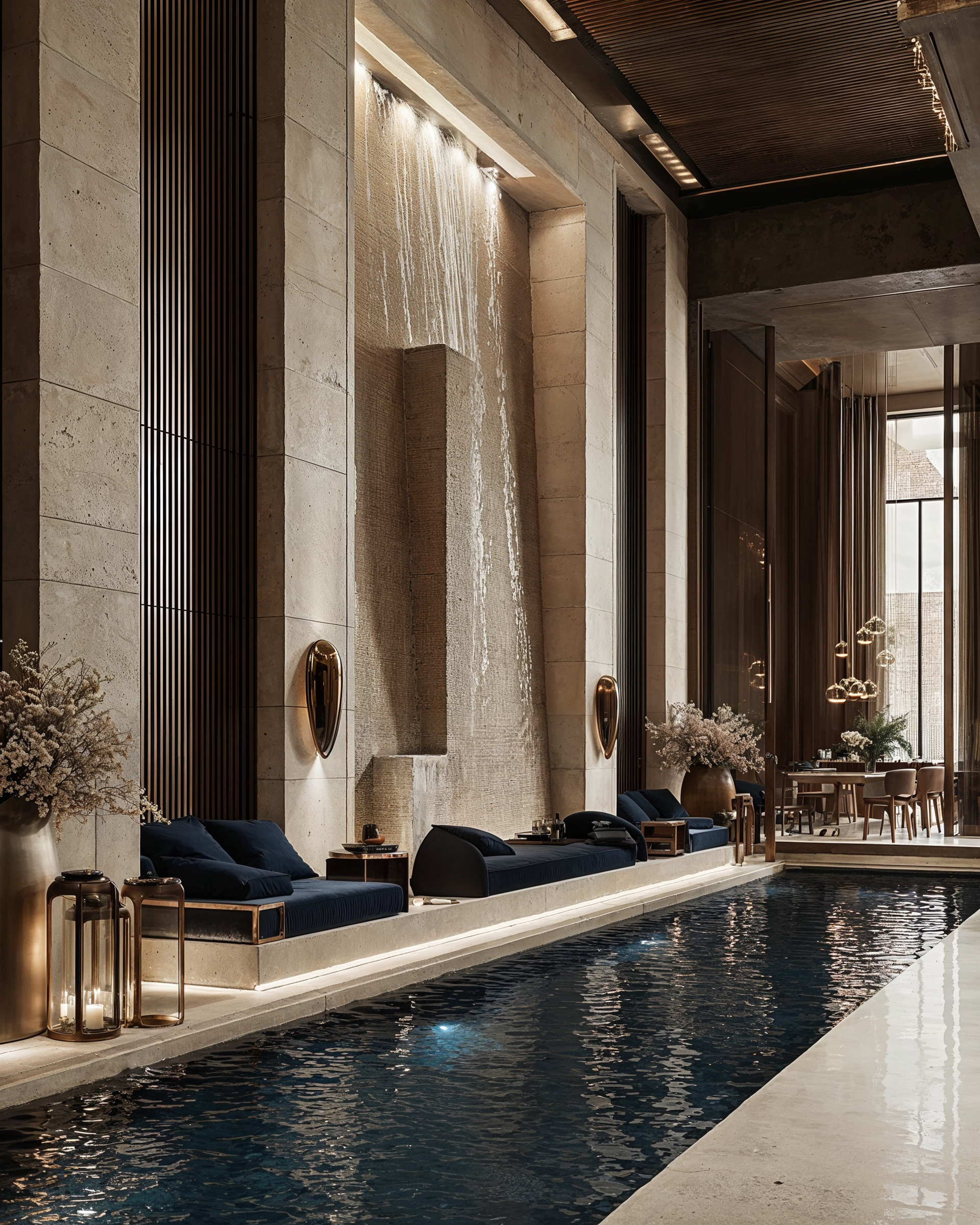
As hospitality design continues to evolve, the studios that thrive will be those that understand experience as a system, where architecture, technology, sustainability, and emotion operate together.
The next decade will likely see further convergence between AI-assisted workflows, immersive spatial strategies, and human-centered design logic. However, one thing will remain constant: hospitality will always begin with arrival.
And the most meaningful hospitality environments will continue to be those that understand the subtle power of that first breath inside.
FAQs
-
The most significant hospitality design trends in 2026 focus on experience-driven environments rather than purely aesthetic spaces. Hotels are prioritizing emotional atmosphere, adaptive spaces, immersive design, and seamless integration of technology such as AI-assisted workflows and smart building systems.
-
AI is increasingly used to support hospitality design workflows by enabling real-time visualization, scenario testing, and lighting simulations. These tools help designers explore spatial atmosphere, guest flow, and environmental conditions earlier in the design process, leading to more refined and intentional hospitality environments.
-
The lobby is evolving into a multifunctional space that shapes the guest’s first impression. Modern lobby design often combines social areas, co-working zones, and transitional spaces, creating an atmosphere that reflects the brand identity while supporting multiple guest behaviors.
-
Immersive hospitality spaces are created through spatial sequencing, lighting, acoustics, and material tactility rather than decorative spectacle. These elements guide how guests move, pause, and interact with a space, shaping emotional responses that make the environment memorable.
-
Sustainable hospitality design now extends beyond material selection to include adaptive architecture, long-lasting interiors, and flexible spaces that can evolve without major reconstruction. This systems-based approach reduces waste while improving the longevity of hospitality environments.
Explore More
Want to explore how future hospitality design thinking and AI-supported workflows can transform your next project? Get in touch
Design Portfolio: See our ongoing AI-driven experiments, design studies, and projects.
Resources & Tools: Explore our curated AI design workflows, guides, and downloadable tools.
