
Sustainable Design: Why the Most Important Decisions Happen Before Anything Is Built
Sustainability is often treated as a final decision, such as a material swap at the finish line, a recycled component added to satisfy a checklist, or a label that says "eco-friendly" without fixing the actual design.
But the reality is that sustainability is decided much earlier, long before a material is specified or anything is built. It's shaped by the first questions we ask: How will this be used over time? What happens when a change is needed? Can this adapt, or will it be replaced? And most importantly, what system does this belong to?
At the studio, we see sustainable design as a design intelligence problem that applies equally to interiors, industrial products, and transportation systems, and increasingly, it's one where AI helps us make those early decisions with more clarity and foresight.

Sustainable Design Is a System
Across every discipline we work in, the core challenge remains fundamentally the same: how to design things that last, not just physically, but emotionally, and that will adapt to the ways people's needs will evolve tomorrow.
Although most people look at sustainable design as an aesthetic question, the truth is it goes far beyond that, being at its core a systems question. Sustainable design is about creating structures that can change without being discarded, understanding behavior and anticipating wear, and designing adaptability into the foundation of a project rather than adding it as an afterthought.
This way of thinking closely aligns with circular design principles championed by organizations like the Ellen MacArthur Foundation, which emphasize longevity, reuse, and system-level thinking over short-term optimization. For us, this is embedded in our daily practice, informing how we approach every project from the earliest concept stages.
What This Looks Like in Practice
Interior Design: Spaces that can change without breaking
In interior design, sustainability means designing spaces that can shift use without requiring demolition or a complete remodel. A residential layout that becomes a workspace, or a hospitality space that evolves as the brand grows, or even a retail environment that adapts without being stripped back to its shell, these are the outcomes of sustainable thinking when applied early in the design process.
When circulation patterns, daylight strategy, structural elements, and proportions are designed to remain constant, the finishes, furniture, and specific functions can evolve freely without compromising the integrity of the space. This approach reduces waste, cost, and disruption while preserving design intent over time. It also reflects what research has consistently shown: sustainable design decisions made early in the process have a far greater impact on long-term value than any late-stage optimizations can achieve.
AI plays a meaningful role here by helping us visualize multiple possible futures early in the design process, informed possibilities that make flexibility tangible and understandable for clients who might otherwise default to conventional, single-use planning.
Industrial Design: Designing for repair instead of replacement
In product design, sustainability is ultimately defined by what happens after the sale. Can the product be repaired or disassembled when it reaches end-of-life? And what about the materials, can these be cleanly separated for recycling or reuse? Will it still feel relevant and valuable in five years, or will it look dated and disposable?
These outcomes are determined at the concept stage, when designing for repair and material separation requires clear assembly logic, modular component thinking, and restraint in formal language. It also requires resisting the temptation toward unnecessary complexity that makes repair effectively impossible.
AI supports this process by helping us compare different material systems, visualize disassembly sequences, and explore alternative approaches faster than traditional methods allow. It helps us surface critical trade-offs earlier in the process, when reviewing and changing the design is still possible.
Transportation Design: Sustainability in motion
Transportation design brings sustainability into motion. Here, sustainability is all about designing vehicles and interior environments that people genuinely want to keep using over extended periods.
Form efficiency matters, weight optimization, material responsibility, and emotional longevity all matter when it comes to the expected lifetime of a vehicle. If the interior feels carefully considered over years of use, rather than just at the moment of launch, is far more likely to be maintained, repaired, and kept in service longer. And this emotional connection directly extends physical lifespan in ways that material choices alone never can.
AI allows us to explore this balance earlier in the design process by testing different formal languages, simulating material aging patterns, and developing interior atmospheres without forcing teams to commit to a single direction too soon. It helps design teams understand not just how something will launch, but how it might age and evolve over a decade of actual use.
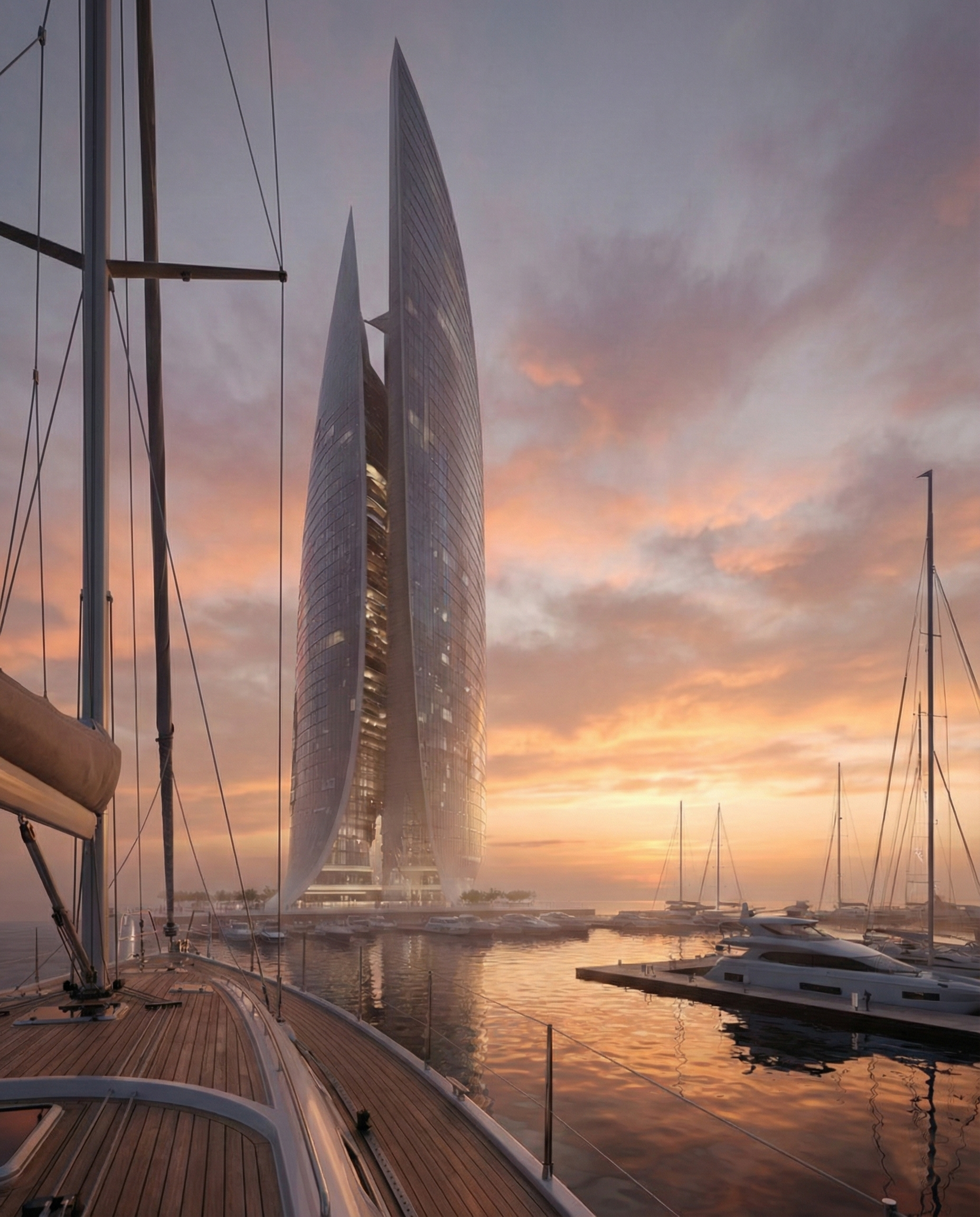
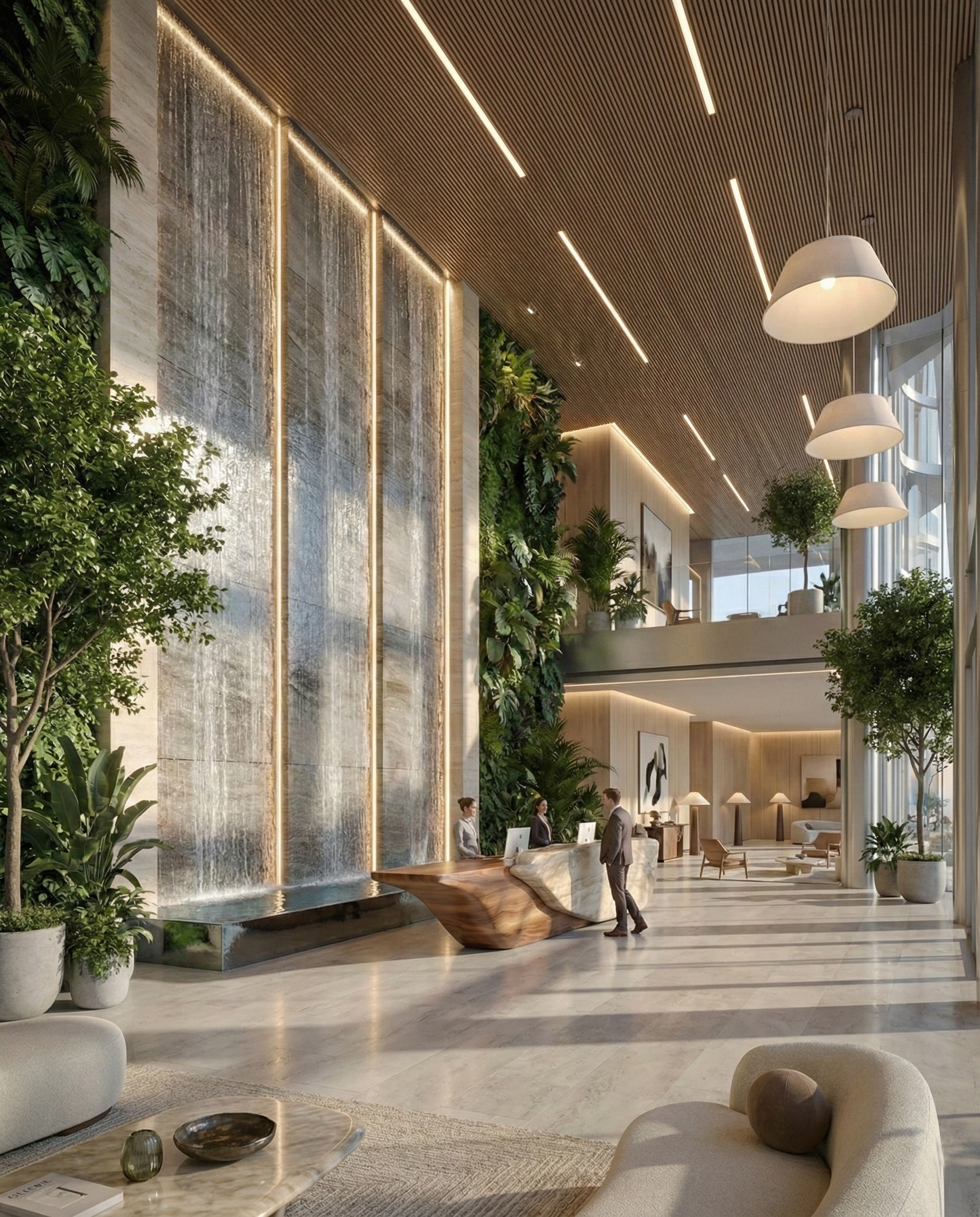
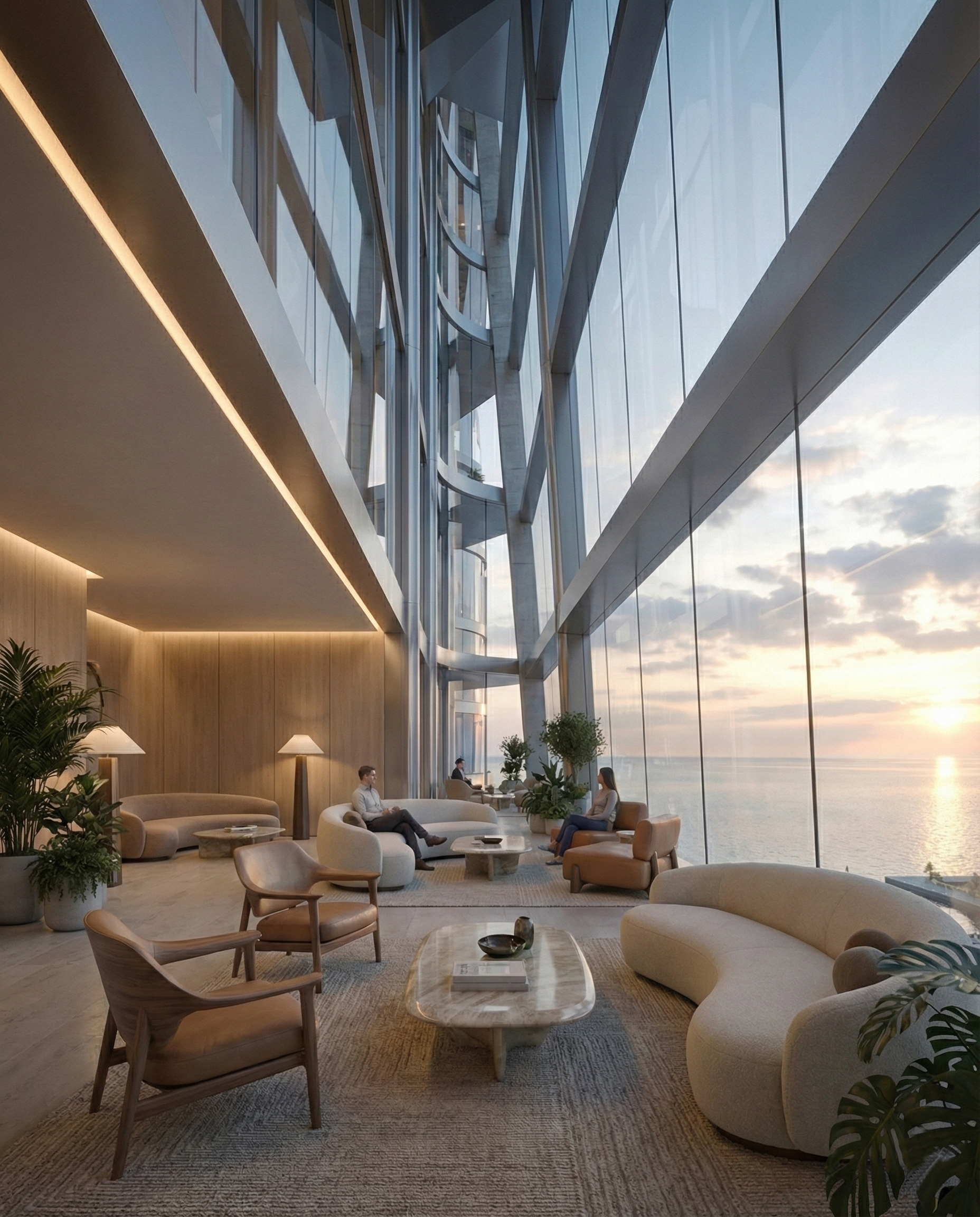
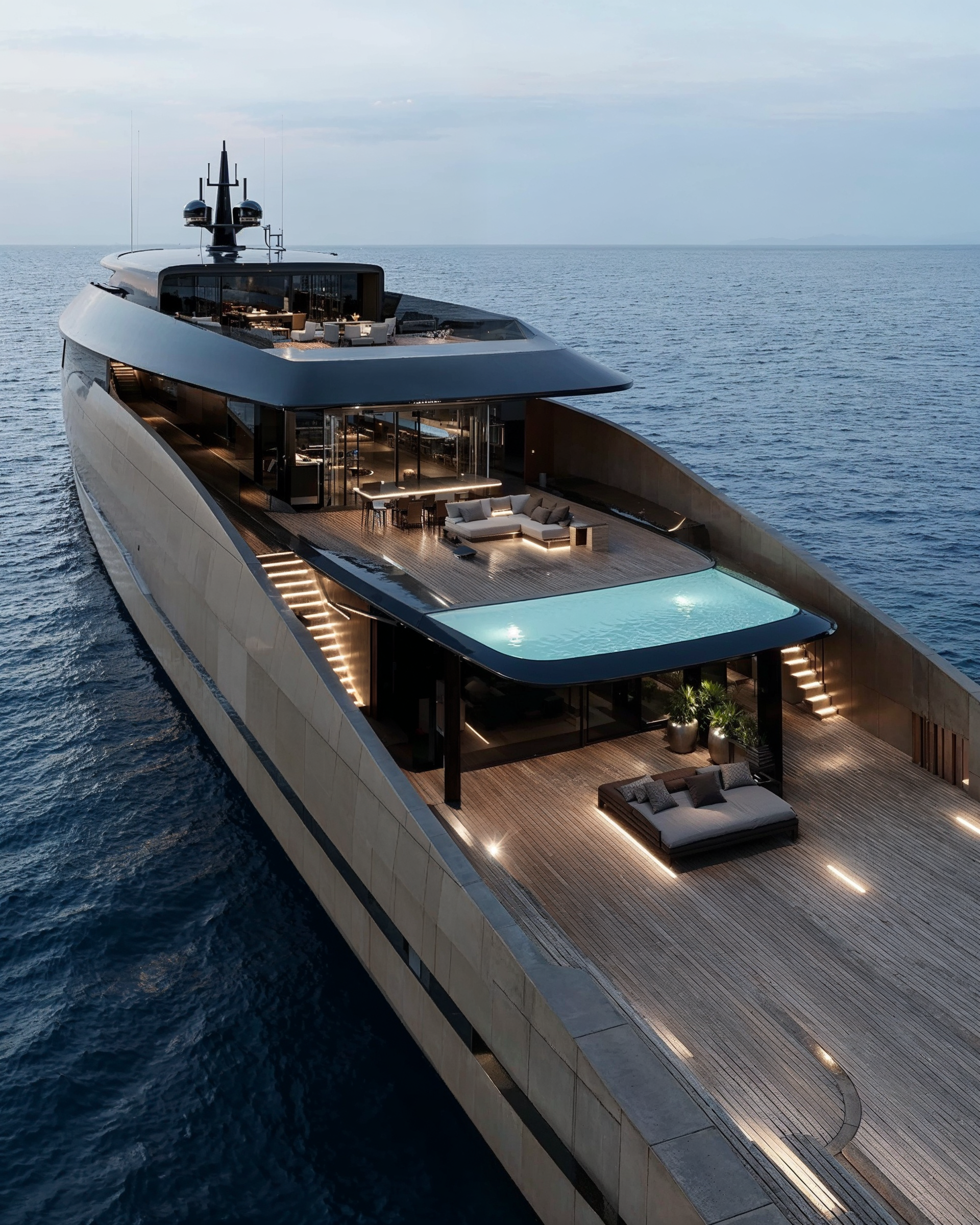
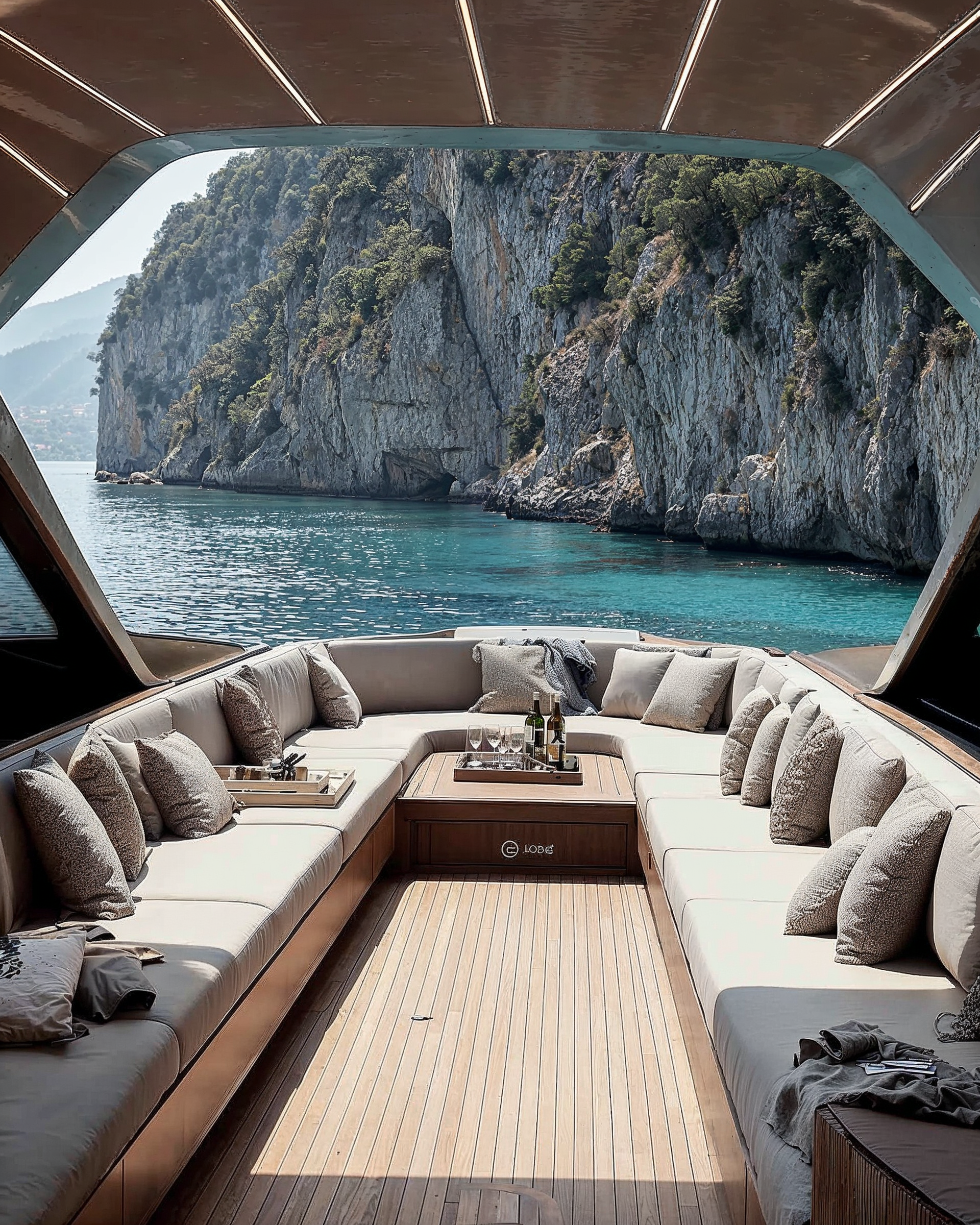


Designing for Longevity Instead of Replacement
One of the most overlooked aspects of sustainable design is the concept of emotional durability and understanding that people naturally take care of things they feel connected to. They repair objects they genuinely value and keep using spaces and products that still make sense within the context of their evolving lives.
This is precisely why sustainable design often means actively resisting the constant pressure to over-optimize for novelty and trend-chasing. We've now learned to ask different questions early in every design process, questions that fundamentally shape everything that follows, from material choices to assembly methods to how we communicate design intent to clients and end users.
These rhetorical design exercises have direct, practical implications for every decision that follows. When, for instance, you opt for a modular-designed system for a hospitality project that allows for significant visual reconfiguration as a brand identity evolves, then the underlying structure remains constant and durable, while the visible finishes and specific configurations can change without requiring demolition or replacement of core elements. The result is a space that remains relevant and fresh across multiple seasons without generating construction waste, reducing long-term costs while actually strengthening brand identity through consistency of spatial experience.
Where AI Actually Helps Sustainable Design
AI doesn't automatically make design sustainable simply by being involved in the process, but it does help designers think earlier in the timeline, more clearly about complex systems, and at a greater scale than traditional methods easily allow.
Scenario thinking instead of single outcomes
Sustainable design fundamentally requires thinking in multiple possible futures rather than optimizing for a single projected outcome. Where traditional design workflows often lock major decisions in place too early, before critical uncertainties have been adequately explored, AI allows us to explore various use scenarios quickly and thoroughly. This AI-supported scenario exploration reduces blind spots and reveals hidden risks before they become expensive problems to solve or impossible to address at all.
Better comparisons earlier in the process
AI helps surface comparisons and alternatives that would otherwise require weeks of manual research and analysis: entire families of material options and their various trade-offs across multiple criteria, lifecycle considerations spanning manufacturing processes through years of use and eventual end-of-life, and system-level impacts rather than isolated component-level decisions. This doesn't replace design expertise or eliminate the need for experienced judgment, but instead, it amplifies and sharpens that expertise by making more information actionable at the stage when it matters most.
Less waste in the design process itself
Sustainability also applies directly to how we actually practice design on a day-to-day basis. AI-assisted workflows can significantly reduce redundant iterations, unnecessary physical prototypes, and dead-end explorations that consume resources without advancing the project. This is especially valuable in industrial and transportation design, where physical prototyping is both expensive and resource-intensive.
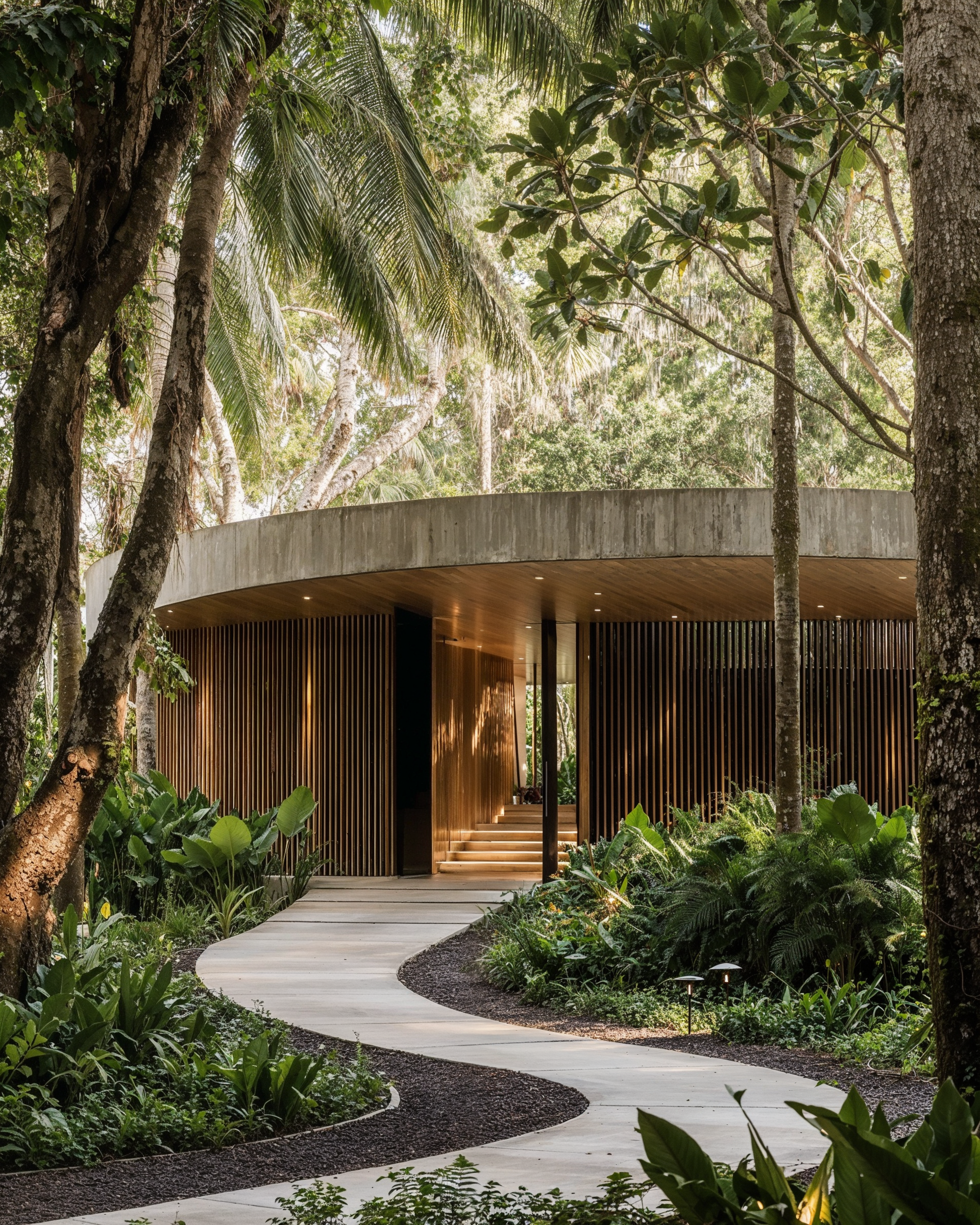
Designing Forward is Different than Designing Less
Sustainable design is often framed primarily as reduction, with less waste generated, fewer materials consumed, and lower environmental impact measured across various metrics. While these are certainly important outcomes, they miss something essential about what sustainable design can actually be at its best.
At its most effective, sustainable design is about designing forward, not just doing less harm, but actively creating more resilient, adaptable systems. It means designing systems that genuinely anticipate change rather than simply reacting to it, respecting material resources and ecological limits without sacrificing human experience or functional performance. It means developing objects and spaces that earn their longevity through continuing relevance and genuine value rather than planned obsolescence or forced trend cycles.
Across interiors, products, and transportation systems, the fundamental goal remains the same: to design things that still make complete sense over extended time horizons, not just at the moment of completion or launch.
Explore More
Want to explore how sustainable design thinking and AI-supported workflows can transform your next project? Get in touch
Design Portfolio: See our ongoing AI-driven experiments, design studies, and projects.
Resources & Tools: Explore our curated AI design workflows, guides, and downloadable tools.
