
Collaboration with NVIDIA: Designing Atmosphere at the Threshold
A lobby is not a neutral space.
It is the first breath a guest takes inside your world, and where their story with you begins. Before they speak to anyone, before they consciously register what they’re seeing, the lobby has already communicated something essential. In hospitality interior design, that moment matters more than almost anything else. Because a lobby sets expectations, establishes trust, and defines the emotional baseline upon which the entire experience unfolds.
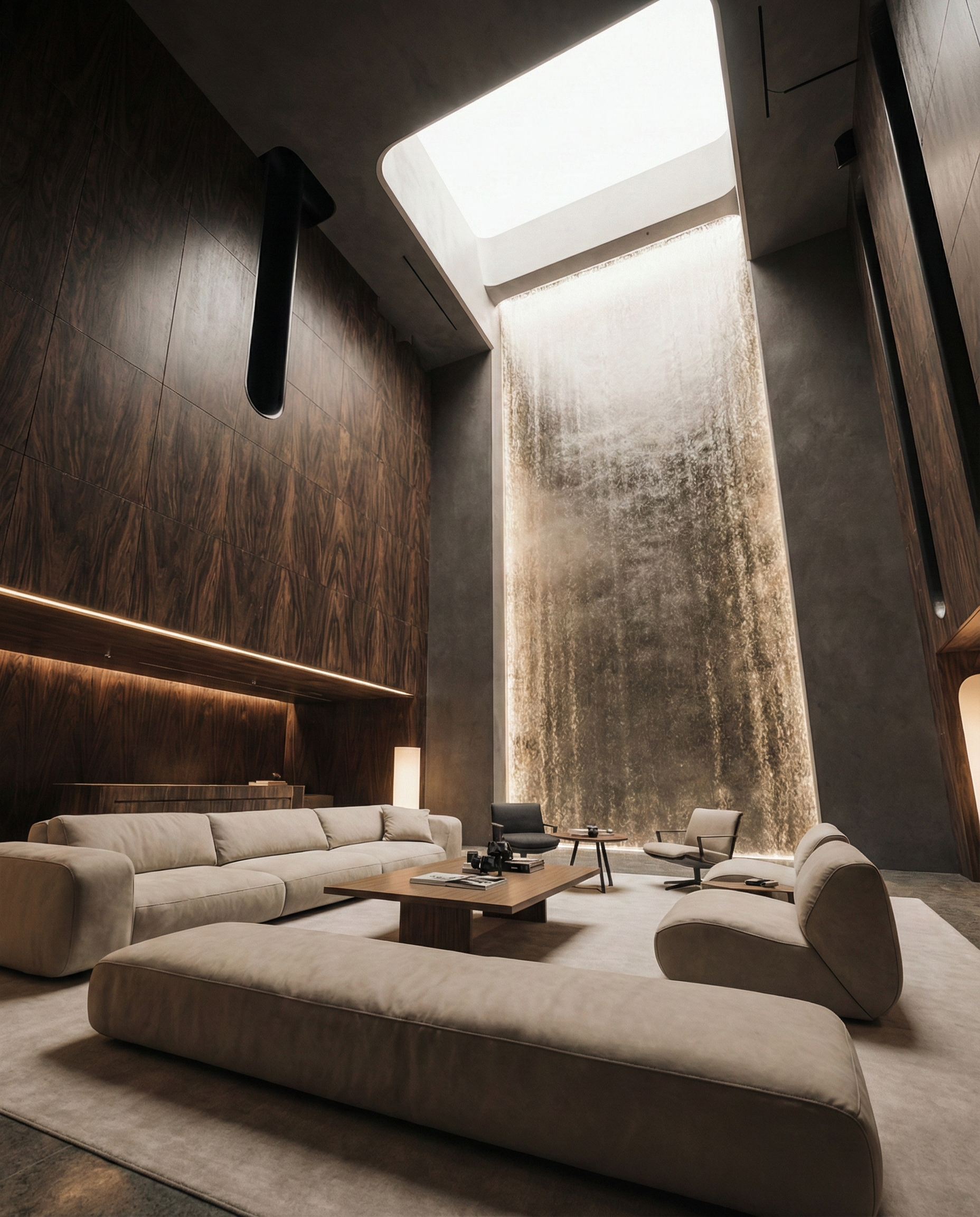
The Heart of Arrival was designed with that understanding at its core. The lobby was treated not as a passage between outside and inside, but as a moment of transition that holds space for arrival itself and the experiences that follow.
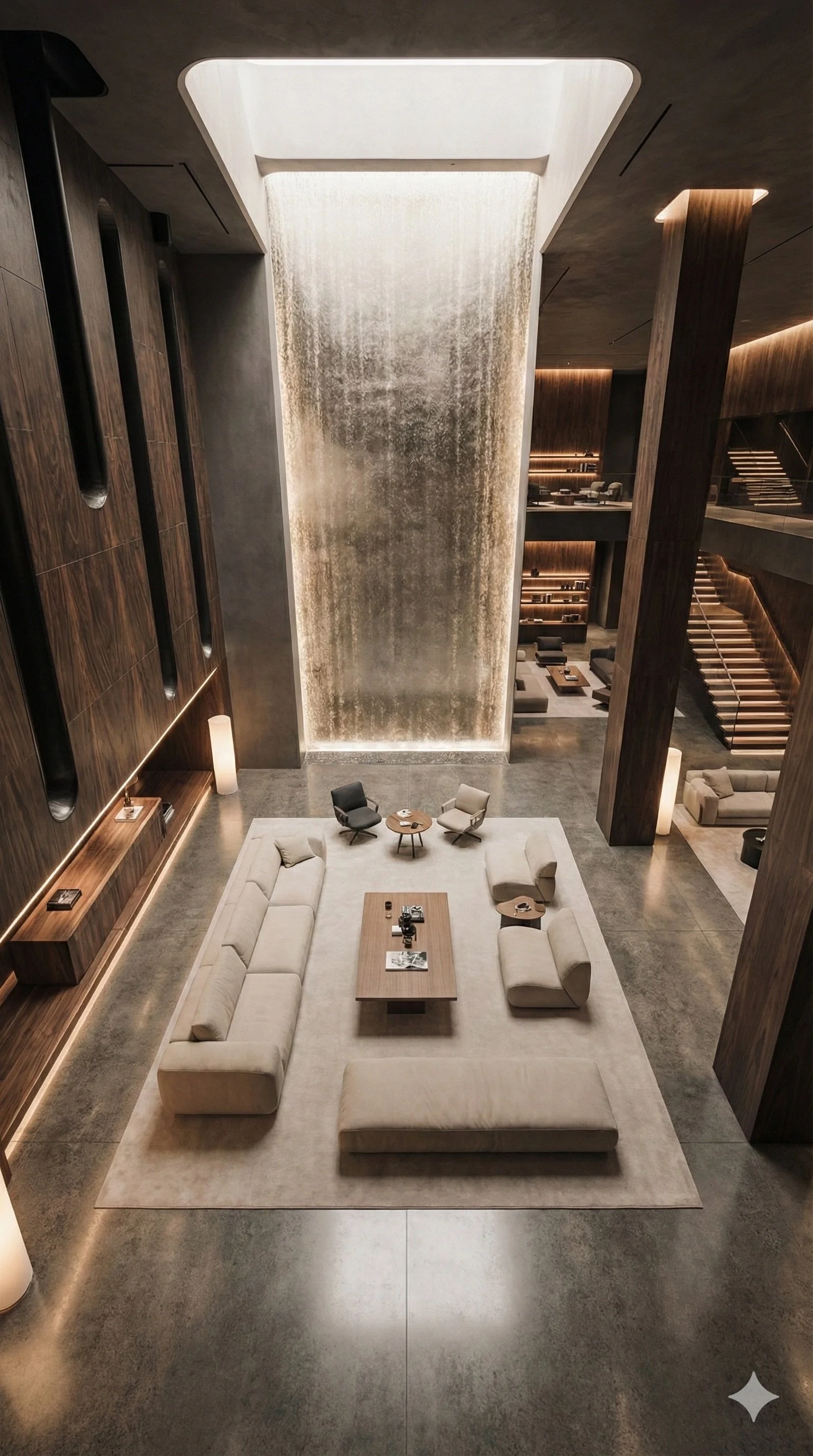
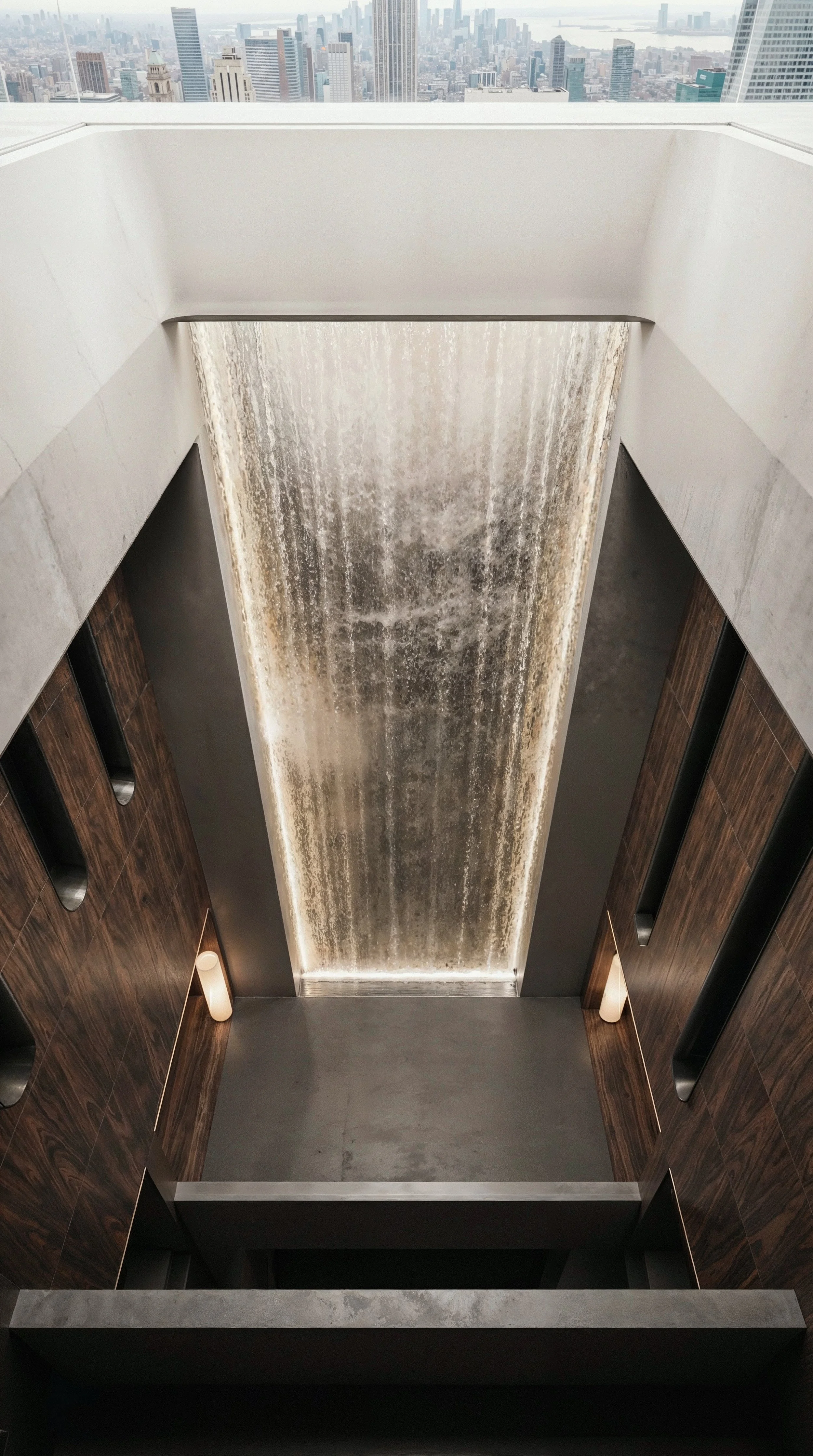
Designing Space as Experience
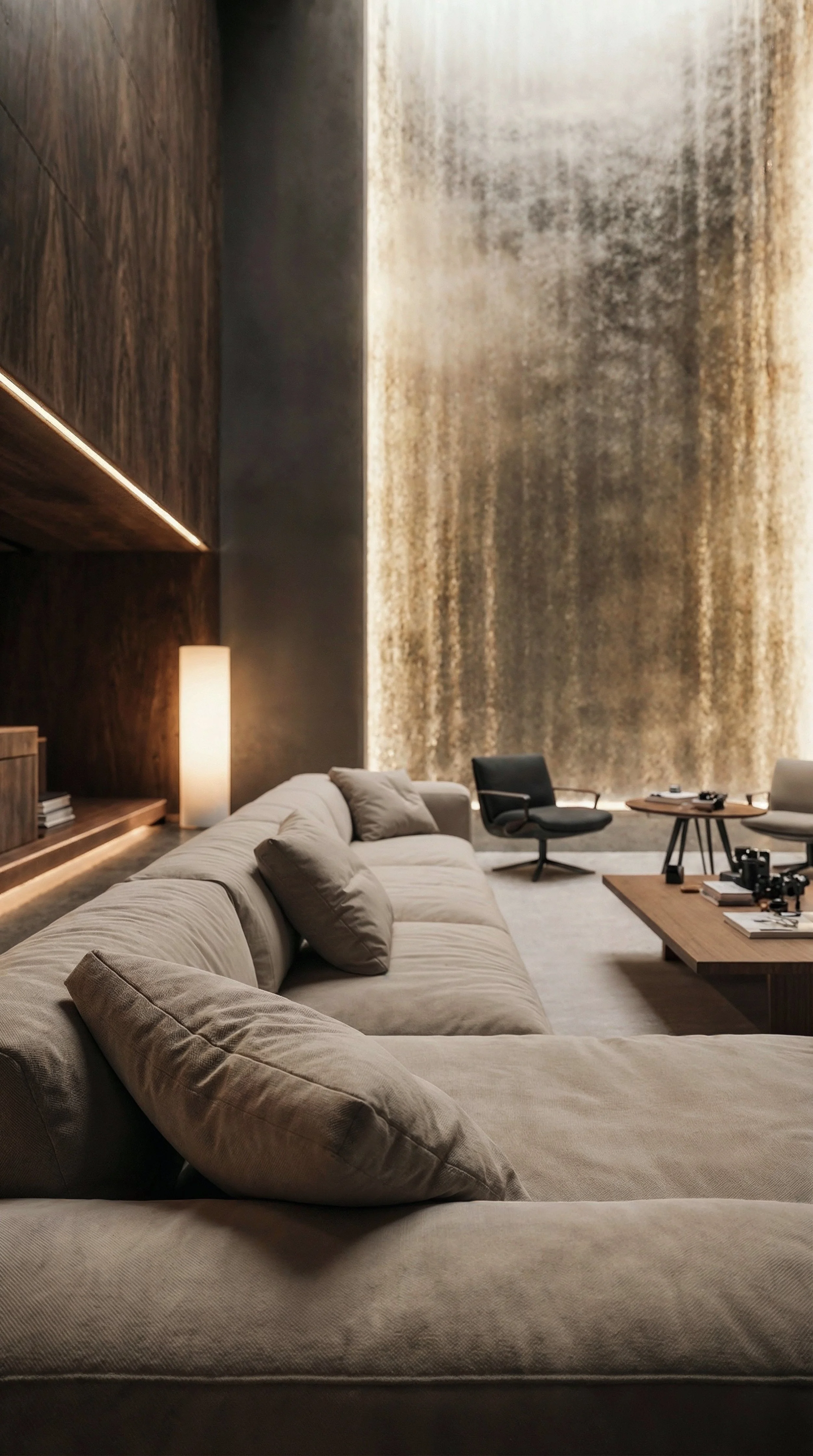
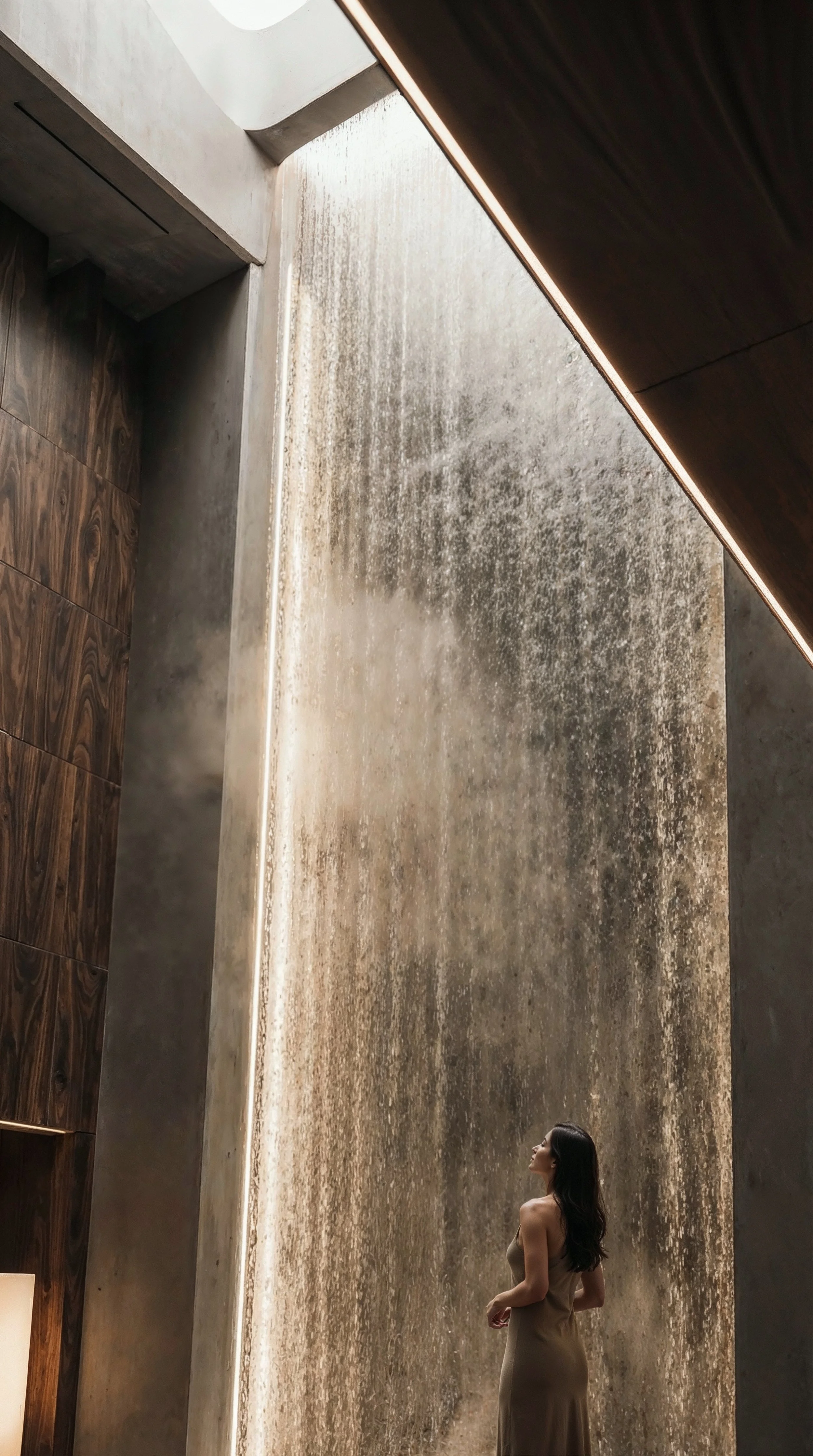
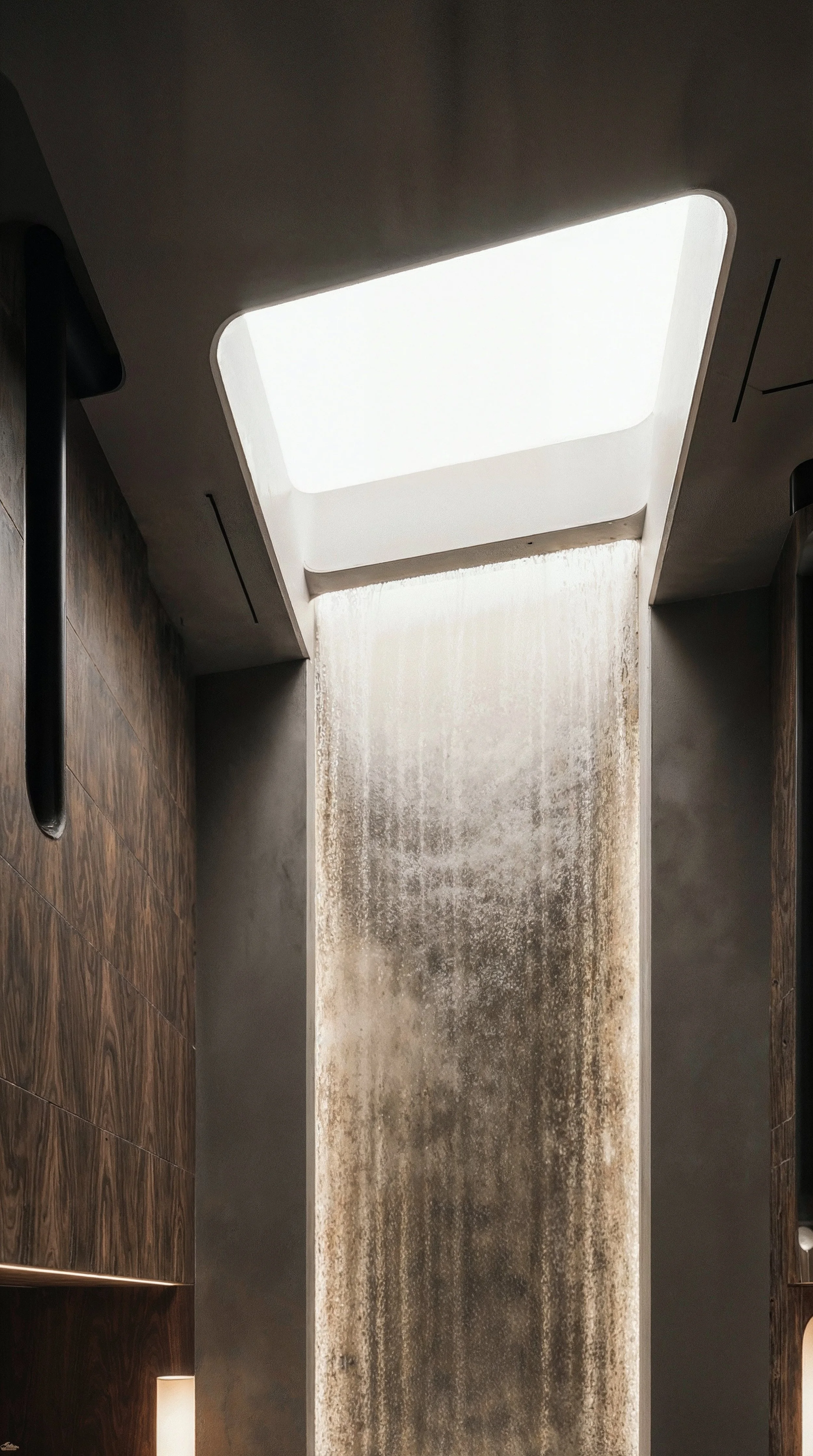
Designing interiors like this goes far beyond form-making. At this level, projects are not about objects in a room but the sequence of light and shadow, proportion, and the way the body moves through space. In hospitality design, these small decisions carry disproportionate weight because every detail shapes how a space is felt before it’s fully seen.
This approach reflects how we think about interior design more broadly—designing spaces that respond to movement, light, and human behavior rather than surface trends.
In this project, the priority was atmosphere over spectacle. We wanted to create a lobby that doesn’t announce itself loudly but settles into awareness gradually, in a calm, grounded, deliberate way. That kind of spatial design demands time, a lot of iteration, and increasingly, a workflow that doesn’t interrupt the process and is sensitive enough to test ideas without breaking the thread of human innovation and intuition.
Hospitality Today: Why Experience Is the New Standard
The hospitality industry has shifted dramatically over the past decade, with guests no longer evaluating spaces purely by luxury finishes or scale but by how they make them feel. Whether it creates calm, offers clarity, or supports transition from one state of mind to another.
Hospitality experience design has become less about decoration and more about choreography. A lobby today functions as:
A social space
A work environment
A transition zone
A digital check-in hub
A waiting area
A brand statement
All at once.
Designing for this layered use requires flexibility, restraint, and technology that enhances, rather than overwhelms, the spatial narrative. The future of hospitality design will increasingly depend on this balance: environments that integrate advanced technology seamlessly, without allowing technology to dominate the human experience.
Why Process Shapes Design
There’s a mistaken idea that process is separate from design and the workflow is just logistics. But, when working at this level of detail, the design process itself becomes part of the outcome.
When you’re working at the edge of proportion and light and you’re trying to capture something as intangible as arrival, the quality of your tools directly affects the quality of your thinking. Any friction in the workflow creates friction in the design and technical limits become conceptual limits.
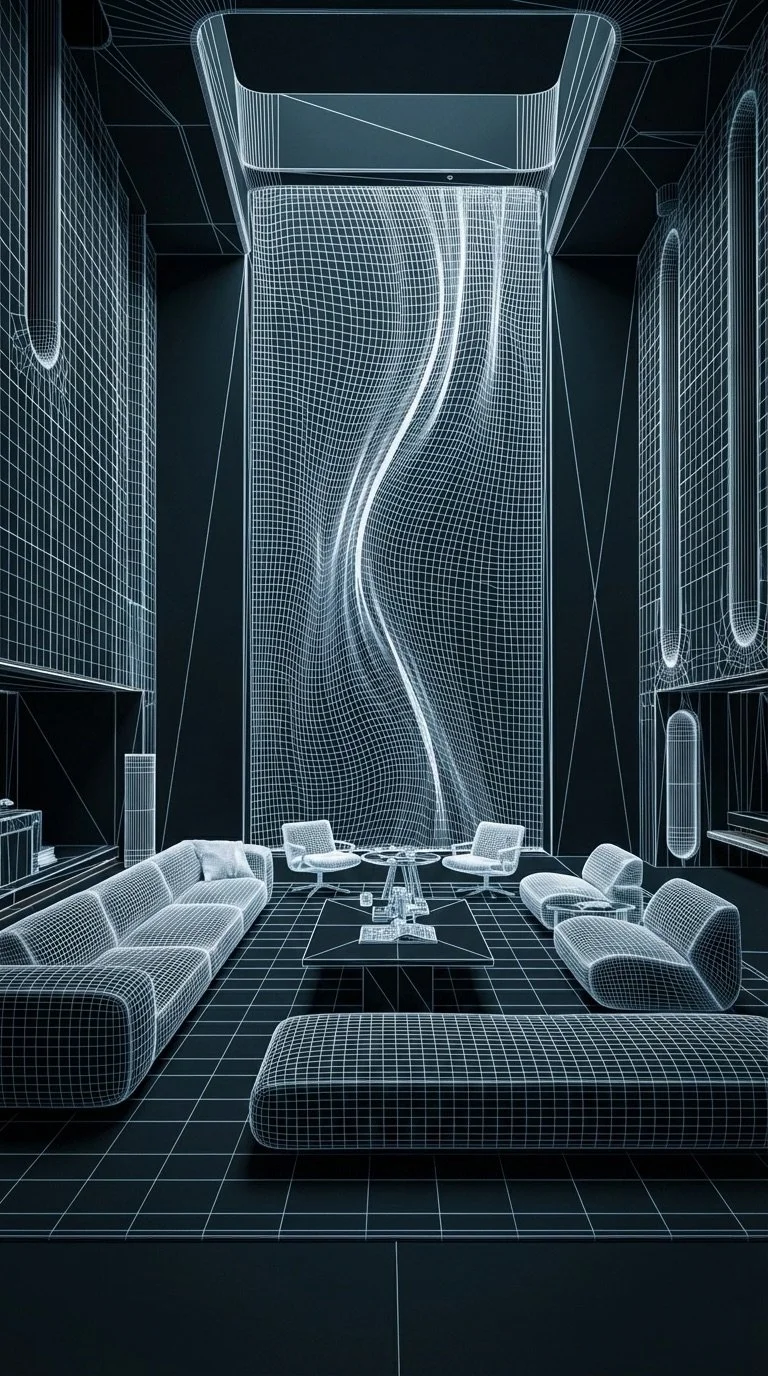
This project was developed using NVIDIA GeForce RTX 5090, which meant, stable drivers, high-performance rendering, real-time feedback across the entire process, from early structural explorations through final lighting studies and atmospheric refinement.
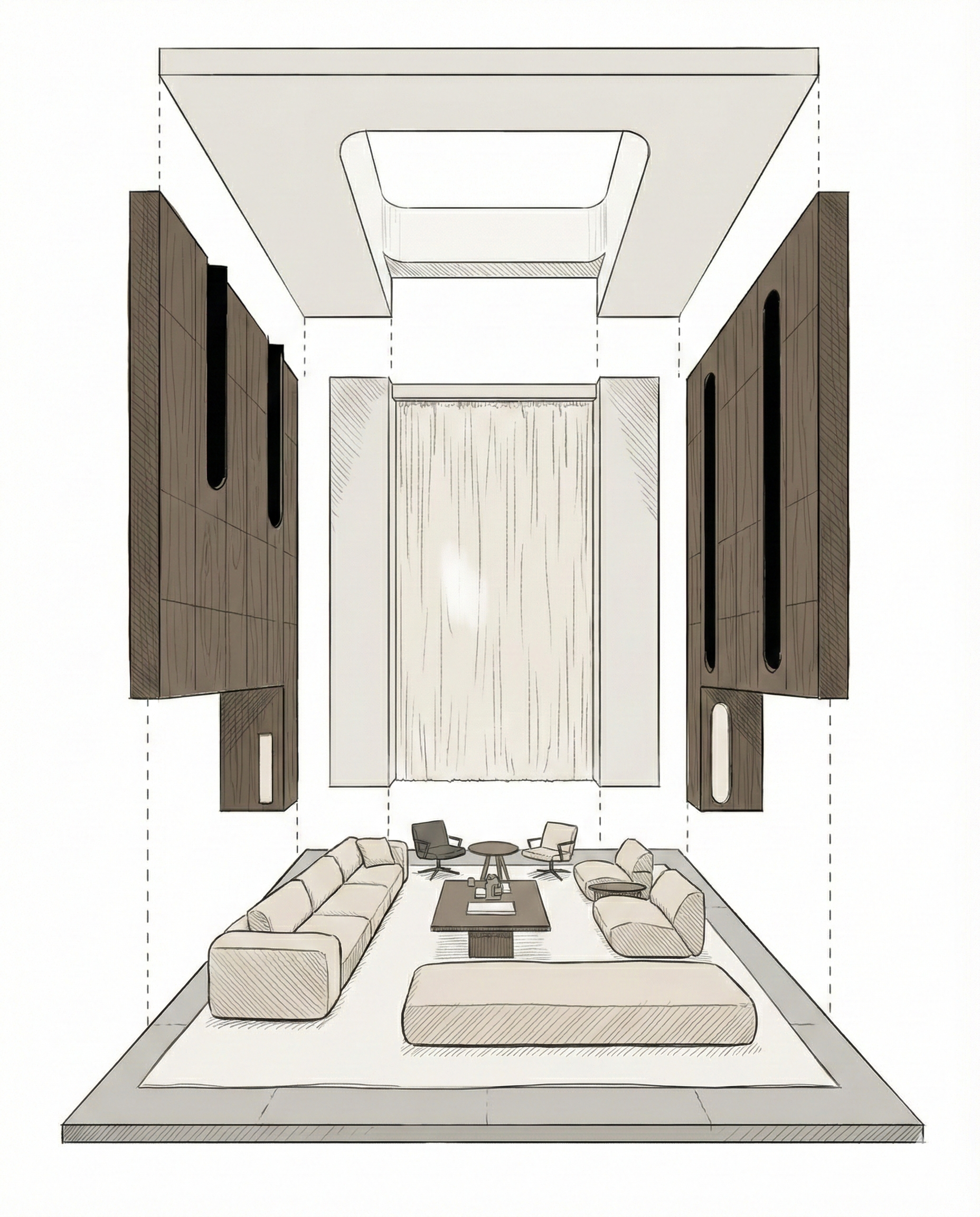
What was that like in practice? Design questions could stay design questions.
How does the light move through this space at different times of day?
Where does the eye rest, and where is it pulled forward?
When does the space feel resolved?
Instead of breaking the flow waiting for renders or troubleshooting performance, the loop stayed continuous. Test, refine, test again, without interruption. The process itself became responsive, to the point is almost became a continuous conversation between designer and tool.
Hardware, AI, and Design Thinking as One System
What this collaboration makes visible is something we’ve been observing for some time now: these elements are no longer separate. High-performance hardware enables real-time rendering and complex lighting studies. AI-assisted tools accelerate exploration and variation. Design judgment ties it all together, deciding what stays, what goes, and when something feels right.
They operate as one integrated system now.
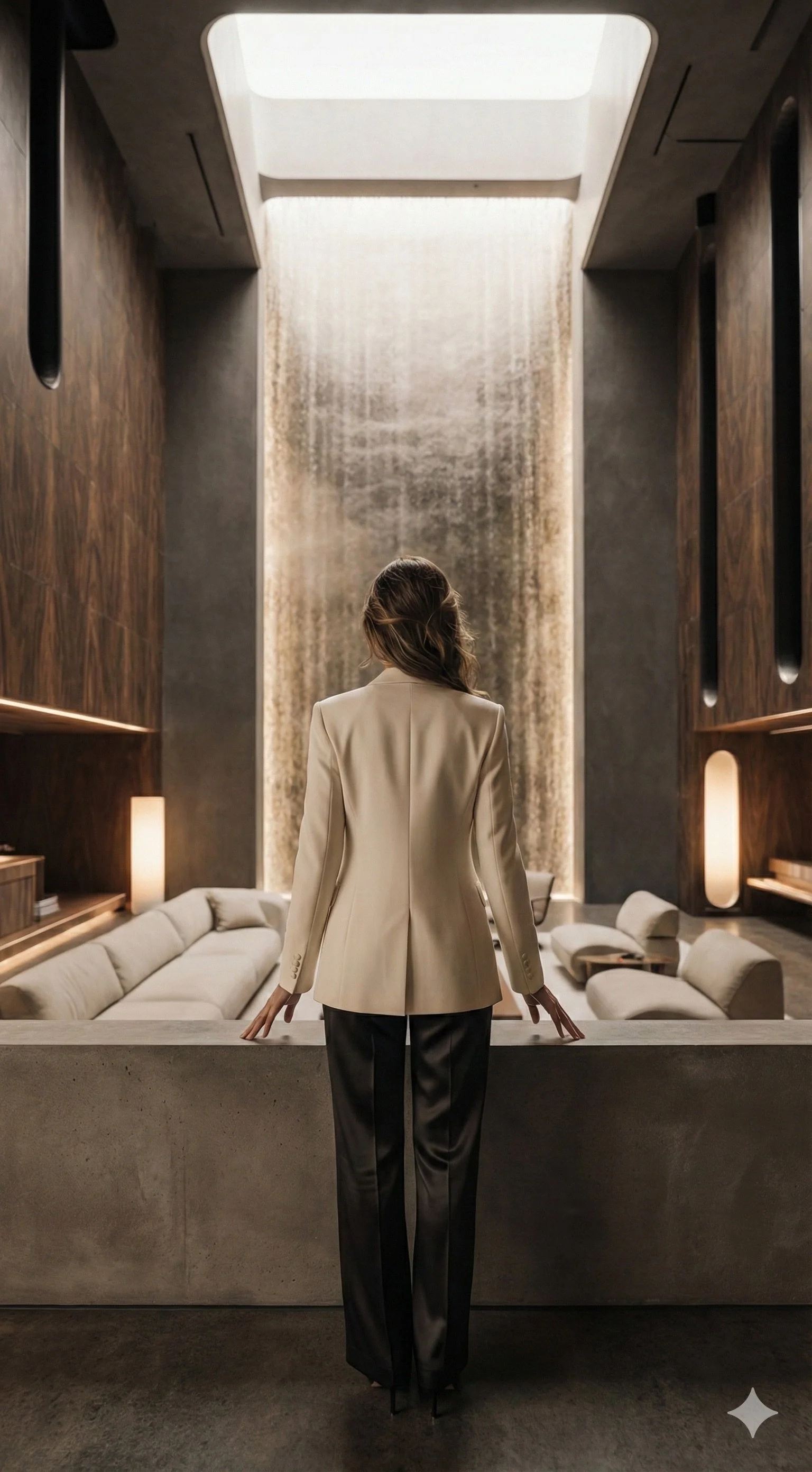
And in The Heart of Arrival, that integration made it possible to move fluidly between structure and atmosphere, between spatial logic and emotional resonance, without ever losing momentum.
This isn’t about speed for speed’s sake, but instead protecting focus, creating conditions where intuition can work alongside precision.
The Future of Hospitality Interior Design
Looking ahead, hospitality interior design will increasingly revolve around three principles:
Adaptability
Spaces that evolve without demolition. Flexible layouts that accommodate changing guest behavior.Emotional durability
Designs that age well, not just physically, but atmospherically.Intelligent integration
Technology is embedded seamlessly into architecture rather than layered on top.
The future lobby will host a transition and regulate pace, creating a psychological space between outside and inside.
And designers will need workflows that allow them to test and refine these subtleties without interruption.
Designing the Threshold
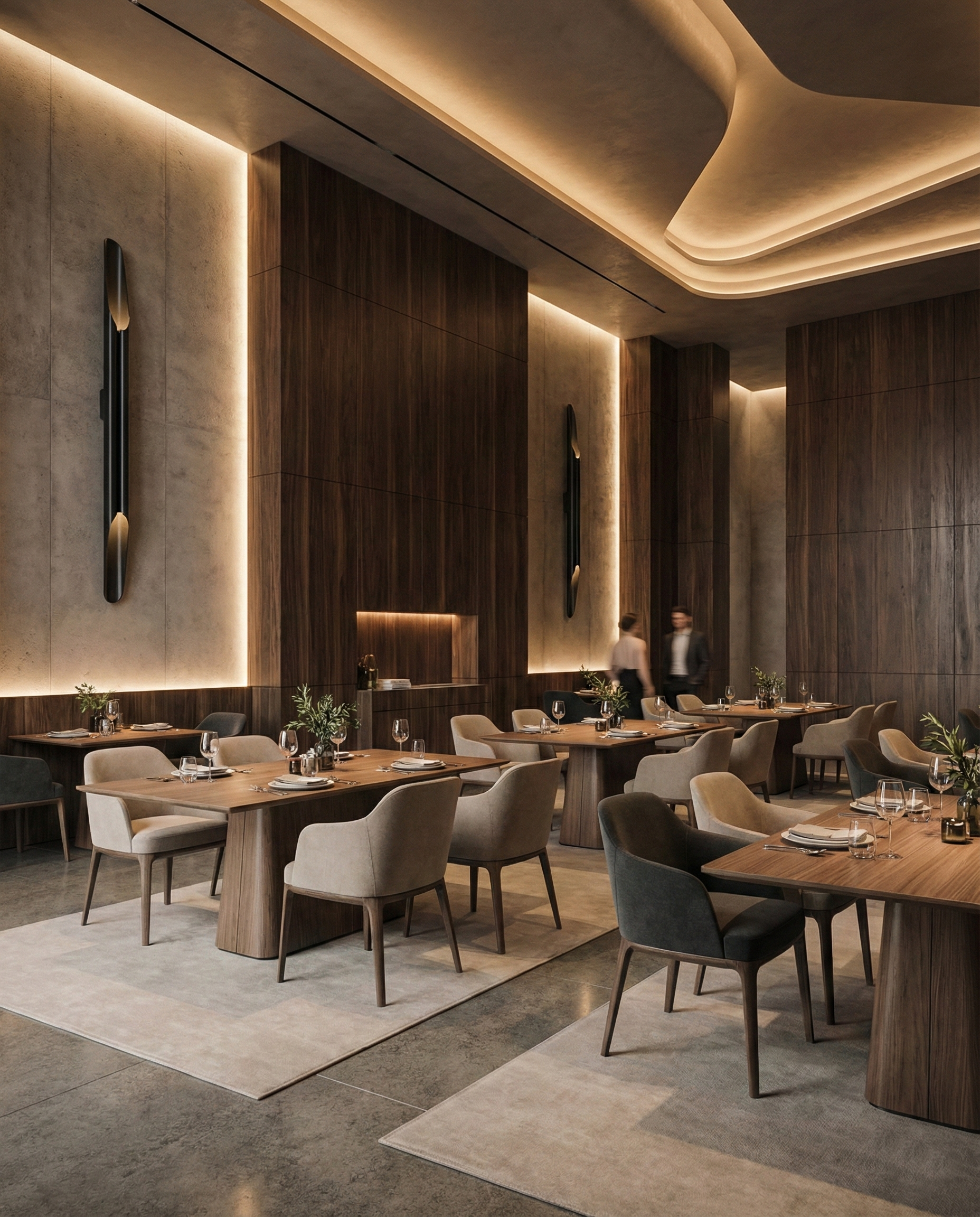
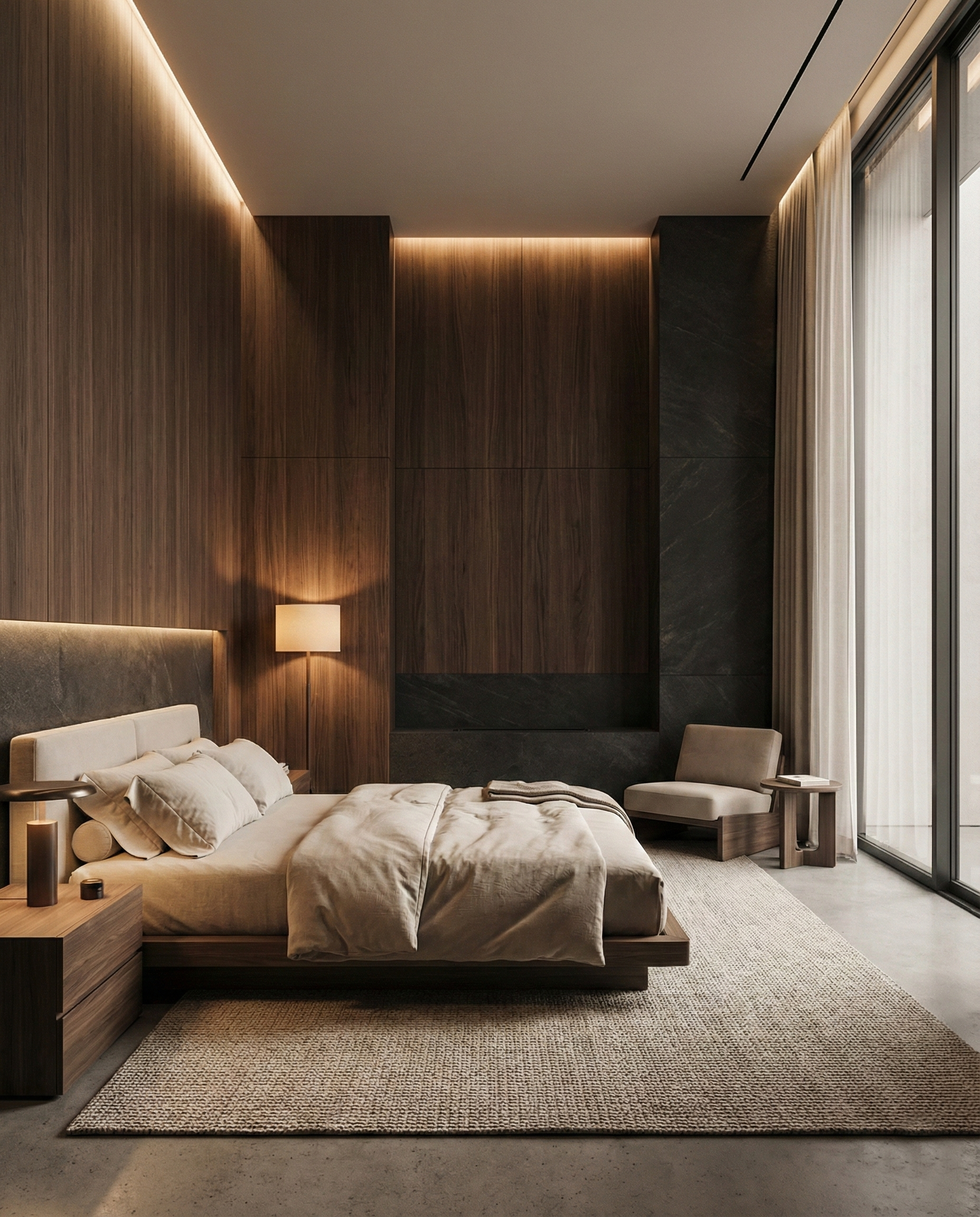
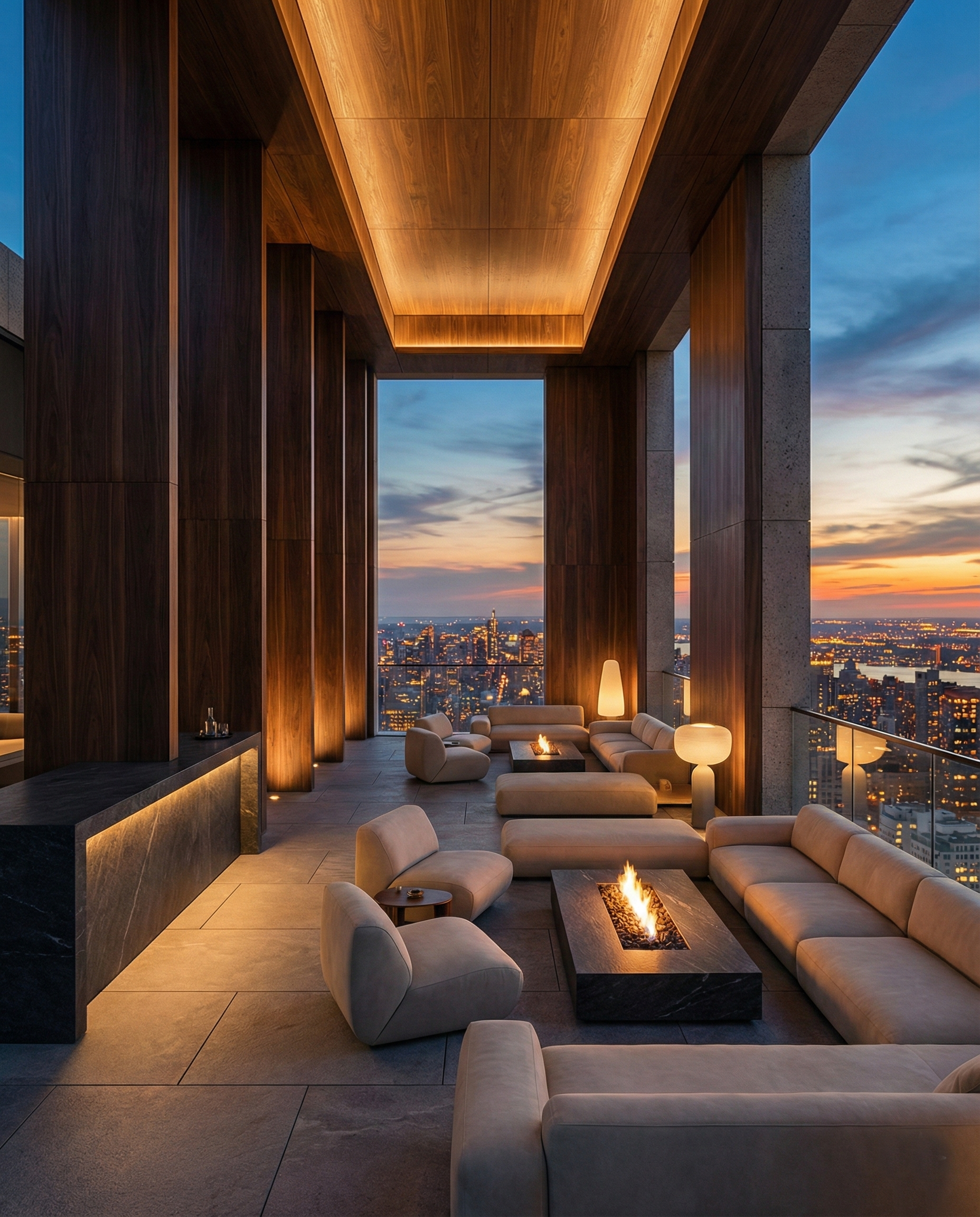
A well-designed lobby doesn’t reveal or explain everything at once. When done well, it sets expectation quietly, before language enters the picture. It creates a sense of confidence and ease, leading you to feel like you are exactly where you should be.
The Heart of Arrival explores that singular moment of crossing the threshold.
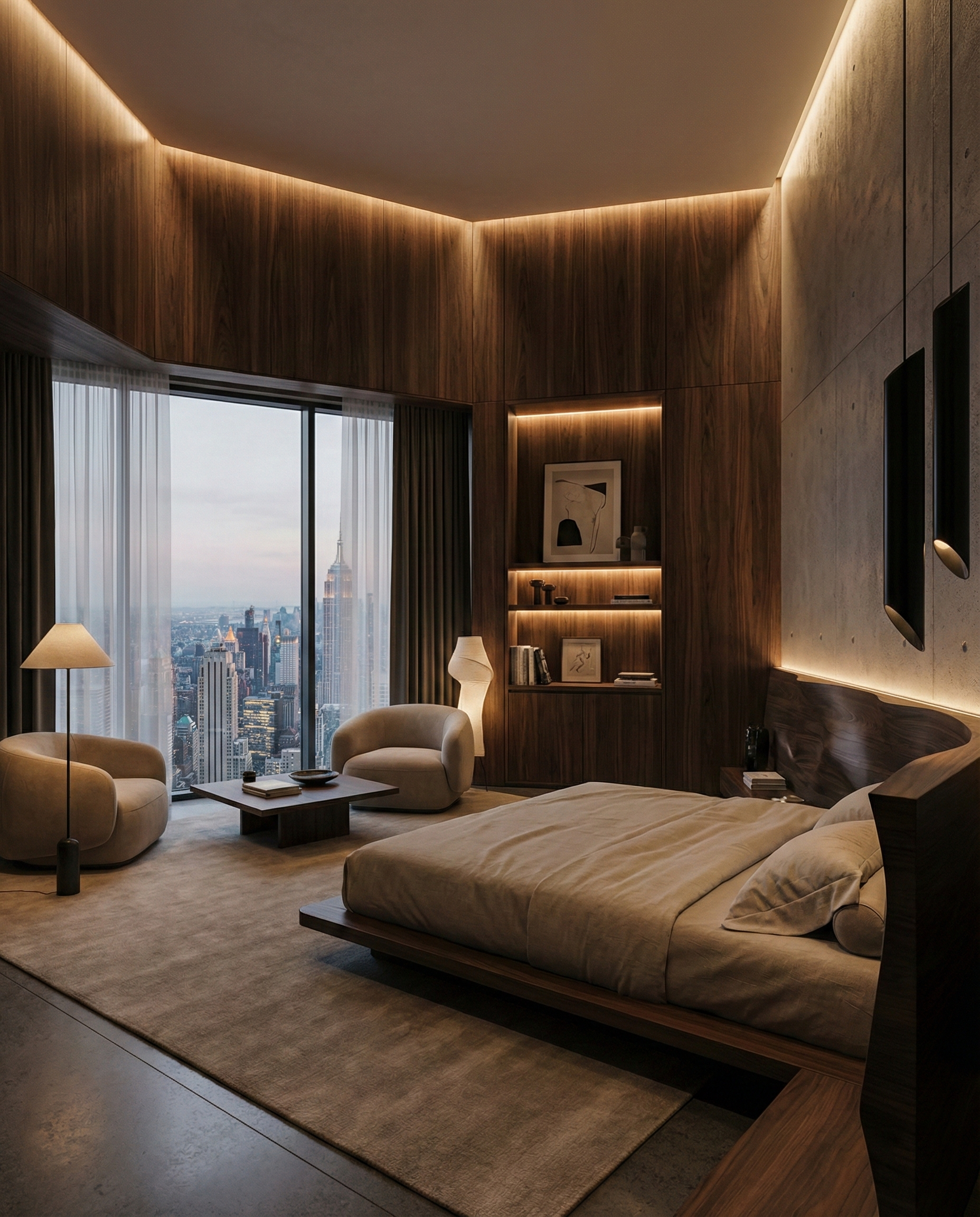
This project sits within our broader hospitality interior design practice, where we explore how atmosphere, spatial sequencing, and experience come together across hotels, lobbies, and transitional spaces.
And it demonstrates how contemporary design workflows, when built on stable, high-performance foundations, can support a more fluid, more intuitive way of working. One that keeps the focus where it belongs: on the space itself, and the experience it creates.
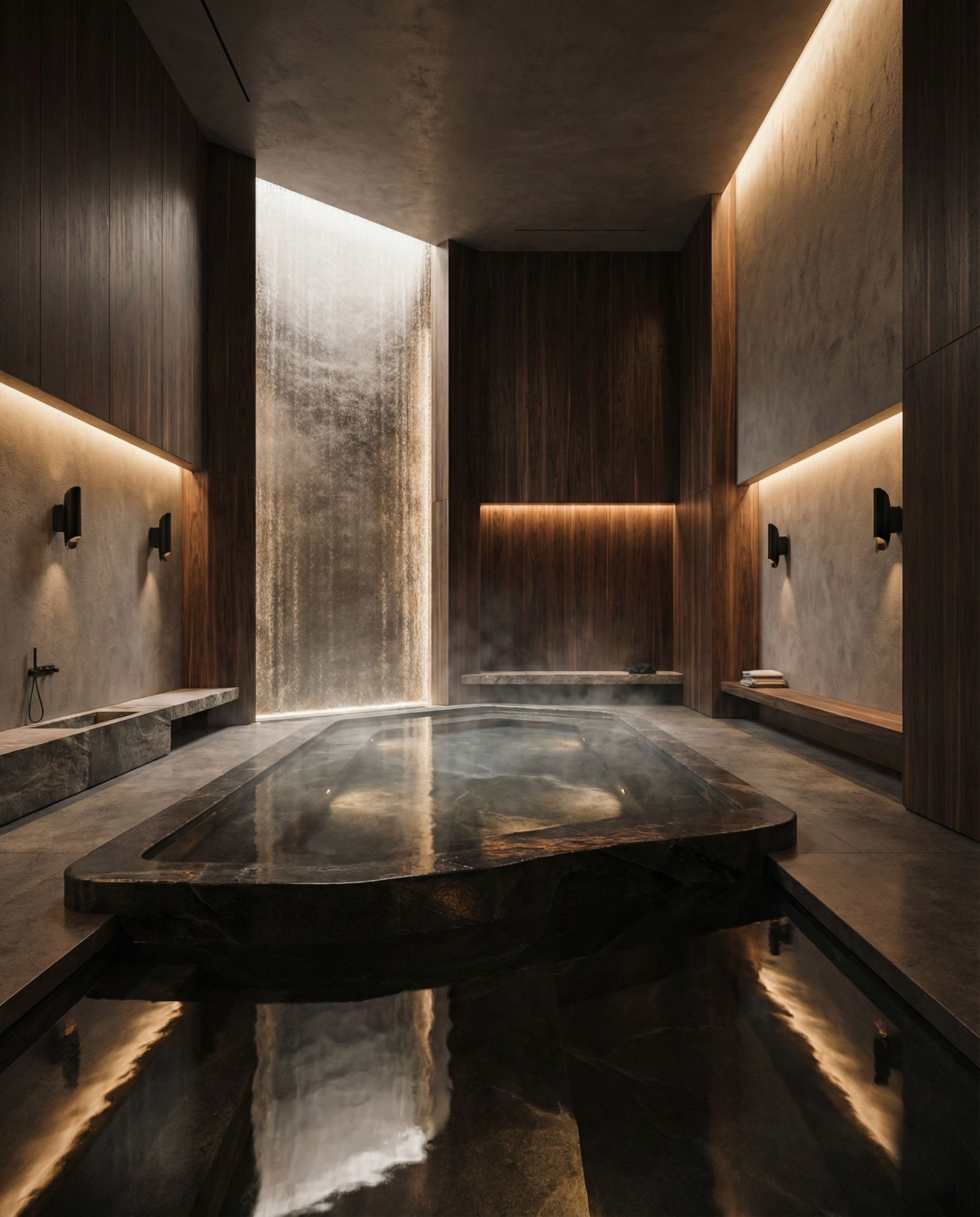
A reminder that good design is not only about what is built, but about how everything it comes together.
